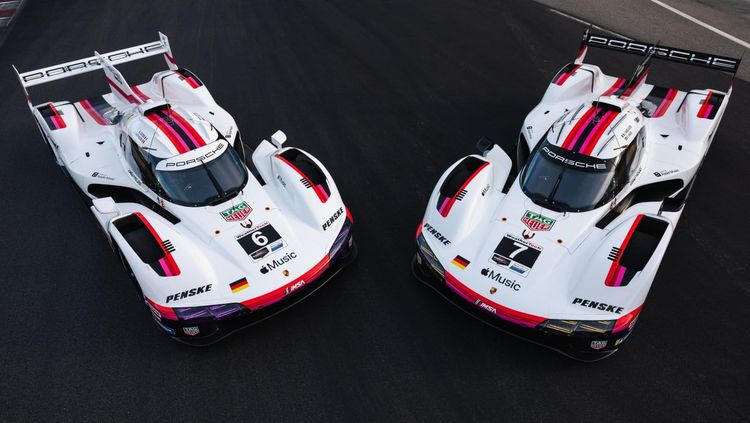
Golden Age of Endurance Racing Loses Yet Another Manufacturer as Acura Pauses GTP Program
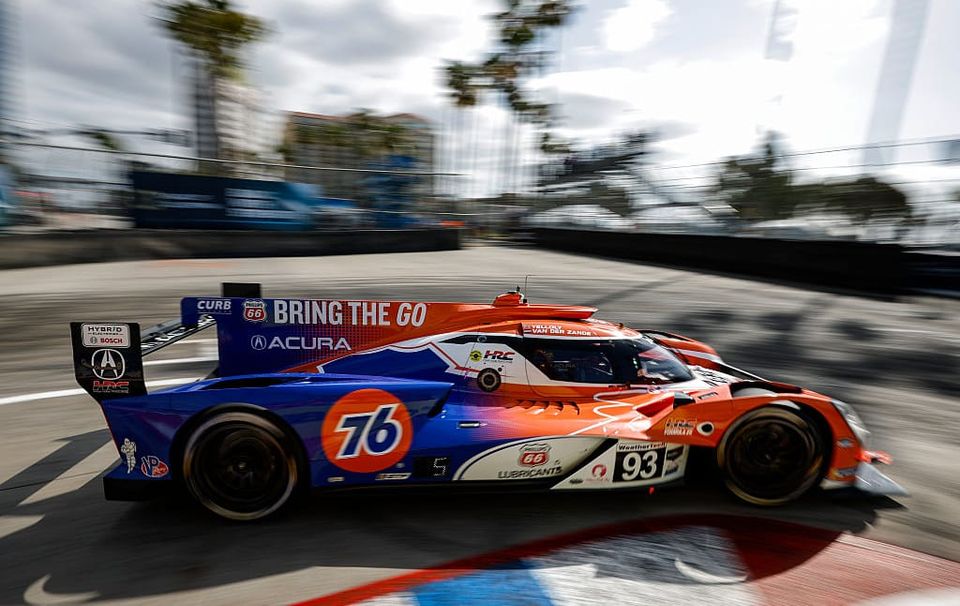
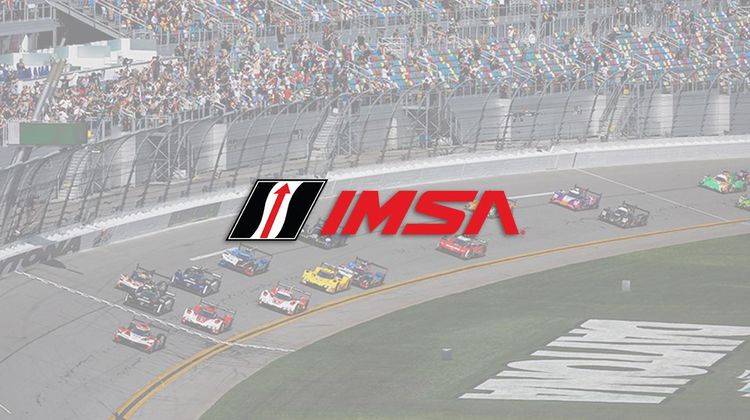
Acura will pause its factory GTP program in the IMSA WeatherTech SportsCar Championship after the 2026 season.
"We are extremely proud of what we’ve accomplished during this era of Acura prototype racing which began back in 2018 with the introduction of the Acura ARX-05 and we are committed to compete for the championship in IMSA’s GTP category through 2026 with the hybrid Acura ARX-06 competing in IMSA’s GTP category."
(RACER, April 22, 2026)
The news landed just days after Meyer Shank Racing’s No. 93 Acura ARX-06 claimed victory at the Acura Grand Prix of Long Beach. For fans who have lived through the convergence era, the LMDh and LMH regulations that promised a true golden age of manufacturer battles across the World Endurance Championship and IMSA, the announcement feels like a gut punch. From a business standpoint this highlights how even strong on-track results do not always secure long-term factory commitment when development budgets balloon.
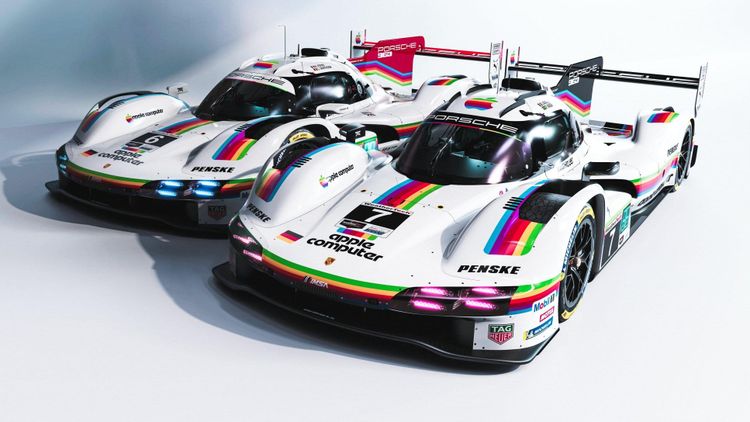
This is not an isolated decision. Porsche ended its factory Hypercar program in the FIA WEC after the 2025 season, shifting full focus to IMSA and Formula E. Lamborghini placed its entire LMDh program on hold for 2026 after a single season in both series. Alpine is reportedly set to follow suit after 2026. What was sold as a new golden age of endurance racing, deep grids, diverse philosophies, and nights of wheel-to-wheel prototype warfare, is showing its first major fractures. These pauses should worry sponsors and promoters because manufacturer pullouts directly erode the premium sponsorship value that justifies top-tier activation budgets.
What Defined the Golden Age We Were Promised?
The hype was real and, for a time, fully delivered. The 2023 regulatory convergence between the ACO and IMSA created a unified platform where the world’s biggest manufacturers could compete head-to-head in hybrid prototypes without building entirely separate cars. Grids swelled. Rivalries ignited.
In 2025 alone, the FIA WEC Hypercar class delivered podiums from eight different marques across the season, a level of parity and manufacturer involvement not seen since the Group C era of the 1980s. The 24 Hours of Le Mans routinely featured 20-plus Hypercars battling through the night. IMSA’s GTP class mirrored that intensity at Daytona, Sebring, and Road Atlanta.
For enthusiasts it was more than racing. It was the return of factory pride on the global stage: Toyota’s hybrid dominance versus Ferrari’s passion, Porsche’s engineering precision versus Cadillac’s American muscle, BMW’s grit versus Acura’s relentless development. The promise was simple, sustained multi-year battles that would draw new fans, inspire young engineers, and cement endurance racing as motorsport’s most pure, most dramatic discipline. Yet that promise always carried a heavy price tag, especially with the complex hybrid systems baked into the regulations.
The Recent Wave of Withdrawals and What They Mean for the Grids
Reality has proven more fragile than the regulations. Porsche’s October 2025 announcement to close its WEC Hypercar factory effort came amid broader strategic realignment. The two-car Porsche Penske Motorsport squad that had won the 2024 WEC Drivers’ Championship simply would not continue in the world championship beyond Bahrain. Lamborghini, after debuting its SC63 with much fanfare, paused everything for 2026. And now Acura, fresh off a Long Beach win, will park the ARX-06 program after one final championship push.
Look at the numbers today. The 2026 FIA WEC provisional entry list shows 17 Hypercars. That is solid, but down from the 21-car fields that defined the early convergence peak. IMSA’s 2026 GTP grid sits at 11 full-season cars across five remaining manufacturers: Acura (through 2026), Porsche, Cadillac, BMW, and Aston Martin.
"The GTP field for 2026 features 11 cars from five manufacturers." (DailySportsCar, October 9, 2025)
These are not catastrophic drops, but they represent the first contraction after years of expansion. Privateer entries and customer programs will help fill gaps. Porsche 963s and Ferrari 499Ps have already shown they can win outright. But the visceral thrill of full factory teams clashing week after week is what separated this era from the leaner years that preceded it. Even as Genesis makes its official WEC Hypercar debut in 2026, with McLaren and Ford confirming their programs and Mercedes signaling potential interest, the exits are proving louder than the entries right now. They shrink the manufacturer storylines that drive sponsorship dollars and force promoters to rethink event ROI before the new blood even lines up on the grid. Many insiders point to the escalating costs of hybrid powertrain development and the ongoing political battles around Balance of Performance in WEC as key factors accelerating these exits. When BoP feels unpredictable and hybrid integration costs run into tens of millions annually, even deep-pocketed OEMs start questioning the ROI on global prototype programs.
Fans feel it instinctively. The golden age was never just about quantity; it was about the storylines. When an Acura dueled a Porsche at the Rolex 24 or a Cadillac fought a Toyota at Le Mans, it transcended lap times. It was brand versus brand, engineering culture versus engineering culture. Each withdrawal thins that narrative fabric.
Yet the passion on the ground refuses to fade. The 2026 Rolex 24 at Daytona shattered attendance records with more than 180,000 fans filling the infield and grandstands. Sebring’s 12 Hours posted its own all-time high. NBC broadcast numbers for major IMSA endurance rounds jumped dramatically. The spectacle still resonates, even as boardrooms recalibrate.
The reasons behind the exits are rarely mysterious: skyrocketing development costs, shifting corporate priorities toward electrification and other series, and the sheer financial weight of sustaining two-car global programs. Acura’s pivot to expanded IndyCar branding makes strategic sense for Honda Racing Corporation USA. Porsche’s focus on its North American stronghold in IMSA is equally logical. But for those of us who were excited about the promise of sustained manufacturer wars, the decisions sting, especially when hybrid system expenses and BoP uncertainty appear to be tipping the scales.
So What?
For the true believers, fans, teams, drivers, and the die-hard stakeholders who keep endurance racing alive, the current moment demands both honesty and optimism. The golden age we were promised has delivered unforgettable racing, record crowds, and a level of manufacturer involvement that revived the spirit of classic endurance battles. Acura’s pause after 2026, Porsche’s WEC exit, Lamborghini’s departure, and the looming Alpine decision do not erase those achievements; they simply remind us that this era was always going to require constant nurturing, particularly as hybrid costs and regulatory politics expose the fragile economics underneath the glamour and the exits keep sounding louder than any fresh entries. The practical path forward lies in leveraging the very data and insights that Vantage Motorsports Event Analytics exists to provide.
Series organizers, promoters, and remaining manufacturers must track real-time grid depth, on-track parity, and fan engagement metrics to identify where customer racing programs can step in most effectively, whether through balanced BoP that keeps every prototype competitive or targeted event enhancements that amplify the spectacle for those packing the stands. Teams and sponsors can use attendance trends, demographic data, and digital engagement signals to build sustainable models that reward loyalty rather than chase short-term factory dollars.
Most importantly, fans and media can channel their passion into supporting the privateers and customer squads that often deliver the most dramatic storylines, ensuring the next chapter of endurance racing remains worthy of the golden age that came before. The question is whether enough voices demand they do so in the deepest, richest fields possible. The data shows the hunger is there. Subscribe to the Vantage Motorsports Event Analytics newsletter for weekly data-driven insights that help you stay ahead of these shifts.
#ProveYourVantage
Sources
- "Acura confirms it will pause GTP program at season’s end," RACER, April 22, 2026, https://racer.com/2026/04/22/acura-confirms-it-will-pause-gtp-program-at-season-s-end
- "Porsche to close FIA WEC Hypercar program," RACER, October 7, 2025, https://racer.com/2025/10/07/porsche-to-close-fia-wec-hypercar-program
- "Lamborghini halts hypercar programme for 2026," BlackBook Motorsport, August 6, 2025, https://www.blackbookmotorsport.com/news/lamborghini-hypercar-lmdh-wec-imsa-august-2025/
- "IMSA Reveals Entry Lists For 2026 WeatherTech Championship," DailySportsCar, October 9, 2025, https://www.dailysportscar.com/2025/10/09/imsa-reveals-entry-lists-for-2026-weathertech-championship-endurance-cup.html
- "FIA WEC 2026 Provisional Entry List," FIAWEC.com, December 2025 (provisional data referenced in multiple reports)

Vantage. Motorsports Event Analytics levels the track for high-potential U.S. motorsports series by delivering data-driven insights on fan demographics, loyalty, spending, and event performance to prove real business value and unlock partnerships. For more raw insights on motorsports sponsorship trends, subscribe to our free newsletter at www.vantagepointmea.com. Unlock the data that drives wins.