GT3 Revival Series Opens with 31-Car Grid at Paul Ricard
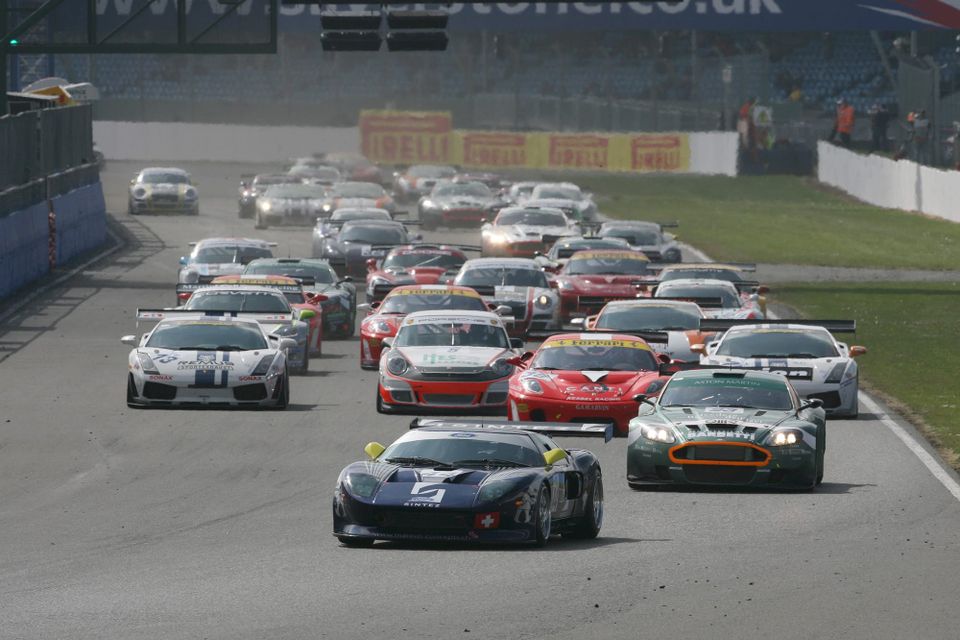
The GT3 Revival Series opened its 2026 season at Circuit Paul Ricard with a competitive 31-car grid spanning nine manufacturers.
This immediate field strength underscores a verifiable trend: first-generation GT3 machinery (homologated 2006-2013) is transitioning into historic racing at precisely the moment demand for recent-past categories is accelerating. For sponsors and teams this timing is golden. It delivers strong brand exposure through authentic racing without the ballooning costs of current homologation cycles.
Organized jointly by Peter Auto and SRO Motorsports Group to mark GT3’s 20th anniversary, the series pairs iconic early GT3 cars with proven high-attendance heritage events. Early metrics align with broader industry data showing sustained growth in both participation and live engagement. That combination makes this launch one of the more commercially intelligent moves we've seen in historic racing lately.
What Is Fueling the Surge in Historic GT Racing Participation?
Recent-past GT categories represent the fastest-growing element within historic motorsport. At the Silverstone Festival, grids for cars dating 2000-2018 exceeded 80 entries across twin endurance and GT trophy races in 2024—up dramatically from a 16-car GT4 pilot in 2022 and a 45-car GT3/GT4 field two years later.
The pattern reflects clear supply-and-demand dynamics: ample availability of well-maintained GT3 cars, accessible running costs relative to current-generation machinery, and strong appeal for gentleman drivers seeking competitive yet manageable packages. Data from preparation teams and series organizers confirm that owners are actively adding these machines to portfolios, driving grid expansion without reliance on manufacturer factory support. Owners are voting with their wallets here, and the message is clear: these cars offer performance value that modern machinery struggles to match on cost.
This participation momentum connects directly to live-event success. SRO America race weekends attracted a total of 140,000 spectators across 2025, representing a 414 percent increase since 2021. Parallel growth appeared in Europe, where GT World Challenge events at venues like Paul Ricard posted a 36 percent year-over-year rise in attendance.
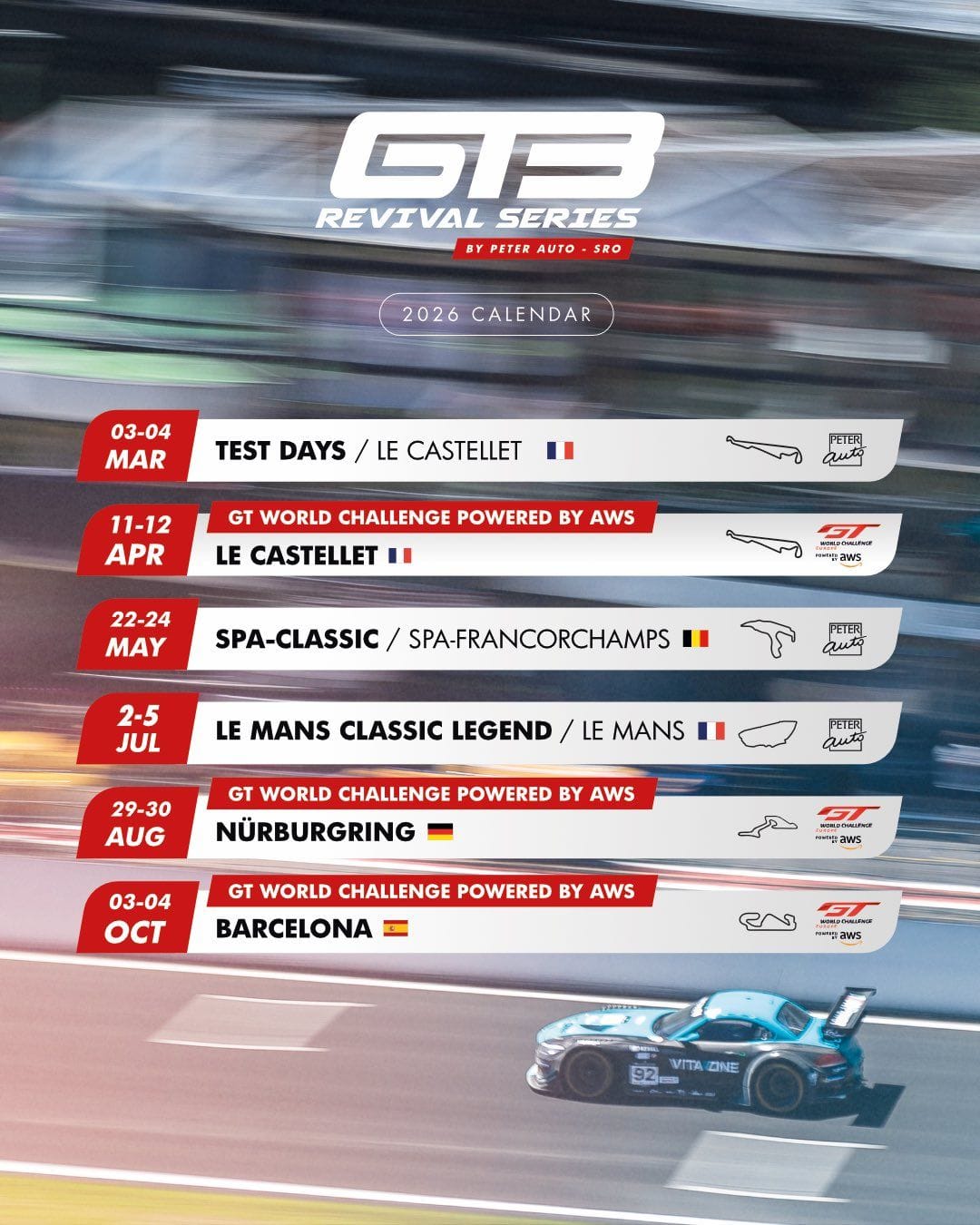
The GT3 Revival Series slots into this ecosystem by design, featuring Pro-Am and Am classes with Iron Cup recognition for veteran competitors. Its calendar deliberately aligns with flagship historic weekends—including Spa-Classic, Le Mans Classic, and Nürburgring—where fan turnout has proven resilient. Calendar smartness like this directly translates to better sponsor ROI through shared logistics and bigger combined crowds.
Le Mans Classic 2025: 238,000 Spectators Highlight Heritage Event Scale
Le Mans Classic 2025 drew a record 238,000 spectators, reinforcing the commercial viability of premium historic platforms. The GT3 Revival Series will integrate one-off entries at Le Mans Classic for teams completing prior rounds, creating layered activation opportunities at an event already delivering massive on-site audiences. Promoters who master this kind of integration will capture hospitality and activation dollars that pure modern racing sometimes leaves on the table.
Broader market context further validates the timing. The global motorsports industry reached USD 6.42 billion in 2025 and is projected to expand at a 7.9 percent compound annual growth rate through 2034, with GT racing identified as a high-potential segment.
These figures are not isolated. Multiple independent reports—from series operators, venue operators, and market analysts—converge on the same pattern: live historic and GT-focused events continue to grow attendance and engagement even as digital viewership complements rather than replaces physical presence. The GT3 Revival Series therefore enters a segment where capacity utilization, sponsor visibility, and hospitality revenue have demonstrably scaled. This is the kind of resilient platform that gives sponsors confidence their spend will deliver measurable lift.
How Does This Translate to Sponsor and Promoter ROI?
Stakeholders gain measurable advantages from the series’ structure. First-generation GT3 cars retain strong residual value, as evidenced by active secondary-market listings across 18 marques and dozens of models. This liquidity reduces financial risk for privateer teams and owners while providing manufacturers with ongoing brand exposure through heritage programs. In practice, it means lower downside for owners and continued relevance for OEMs long after factory support ends.
Event promoters benefit from proven attendance multipliers. The 414 percent spectator growth at SRO and double-digit increases at European GT weekends demonstrate that targeted historic programming drives incremental ticket, hospitality, and activation revenue. Sponsors, in turn, access concentrated demographics: affluent enthusiasts who value authenticity, technical storytelling, and on-site experiences.
Data-driven correlations hold across sources. Higher grids correlate with stronger on-track competition and fan interest; larger live crowds correlate with elevated sponsor impressions; and calendar alignment with flagship events correlates with optimized logistical costs and maximized exposure. The GT3 Revival Series operationalizes these linkages by design—50-minute races with mandatory pits, success penalties, and class-specific scoring deliver tight, broadcast-friendly action without the regulatory overhead of modern GT3 homologation cycles.
No single data point stands alone. The 31-car debut grid confirms immediate competitive health. Historic event attendance records (Le Mans Classic at 238,000) confirm audience scale. SRO’s multi-continental attendance surge (414 percent) confirms sector-wide momentum. Market growth projections (7.9 percent CAGR) confirm macroeconomic tailwinds. Together, these verified metrics paint an objective picture of a low-volatility, high-engagement platform that deserves serious attention from any business unit serious about motorsport returns.
So What?
Motorsports stakeholders—from series promoters and circuit operators to sponsors, team principals, and OEM heritage programs—can apply the GT3 Revival Series model to identify and scale similar opportunities. By benchmarking entry lists against historic grid trends, aligning calendars with proven high-attendance heritage weekends, and tracking per-event spectator growth alongside digital metrics, organizers can optimize revenue streams across ticketing, hospitality, and sponsorship. Teams and owners gain a clear framework for asset utilization: transitioning eligible GT3 inventory into a series that preserves value while delivering competitive racing and brand visibility. Sponsors obtain quantifiable ROI through concentrated live audiences and authentic storytelling that modern series alone cannot replicate. In an industry valued at USD 6.42 billion and growing, the GT3 Revival Series demonstrates how data-backed positioning in historic motorsport converts nostalgia, accessibility, and proven engagement into sustainable commercial advantage. Decision-makers who recognize this shift early will secure better grid slots, stronger sponsorship packages, and higher asset retention than those who wait.
The low-volatility nature of these events makes them particularly attractive amid economic uncertainty. Equipping yourself with actionable analytics to forecast trends, refine event formats, and strengthen long-term stakeholder strategies across the global racing landscape has become essential. Subscribe to Vantage Motorsports Event Analytics for the weekly intelligence that turns these insights into your next strategic move.
#ProveYourVantage
Sources
- "GT3 Revival Series debuts at Paul Ricard with 31-car field featuring nine brands," Racecar.com, April 2, 2026, https://www.racecar.com/news/103396/motorsport/gt3-revival-series-debuts-at-paul-ricard-with-31-car-field-featuring-nine-brands
- "A Year of Growth and Innovation for SRO America in 2025," GT World Challenge America, November 18, 2025, https://www.gt-world-challenge-america.com/news/1322/a-year-of-growth-and-innovation-for-sro-america-in-2025
- "Why the recent past represents historic racing’s fast-growing future," Autosport, September 10, 2024, https://www.autosport.com/historics/news/why-the-recent-past-represents-historic-racings-fast-growing-future/10652849/
- "Global Motorsports Market Report," MarketDataForecast, January 16, 2026, https://www.marketdataforecast.com/market-reports/motorsports-market
- "Le Mans Classic 2025 attendance record reported in Octane Magazine coverage," July 8, 2025 (cross-verified via official event summaries)
Vantage. Motorsports Event Analytics levels the track for high-potential U.S. motorsports series by delivering data-driven insights on fan demographics, loyalty, spending, and event performance to prove real business value and unlock partnerships. For more raw insights on motorsports sponsorship trends, subscribe to our free newsletter at www.vantagepointmea.com. Unlock the data that drives wins.