Throwback Weekends Drive 32% Merch Growth & Record Crowds
Motorsports series grappling with volatile broadcast viewership and evolving fan expectations are finding a reliable growth lever in heritage-themed events. Data from 2025-2026 shows throwback weekends correlate directly with higher on-site attendance, merchandise revenue, and digital engagement metrics that translate into stronger sponsor ROI. In a market where many chase fleeting digital eyeballs, this kind of tangible lift gives promoters and sponsors something concrete to build strategies around.
While NASCAR’s long-running Darlington event demonstrated early success before evolving, IMSA’s debut Throwback Weekend at Laguna Seca in May 2026 arrives amid the series’ strongest attendance and audience figures on record. Getting the timing right like this turns nostalgia from a nice-to-have into a genuine revenue driver that smart operators should be replicating fast.
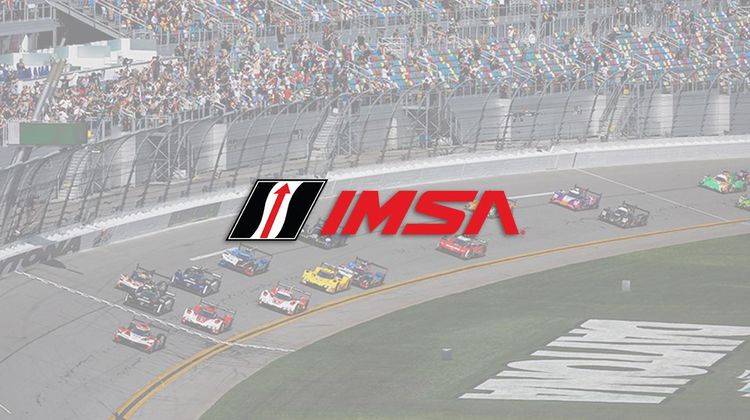
"IMSA reported a 32 percent year-over-year increase in merchandise sales alongside record crowds exceeding 115,000 at the 2026 Mobil 1 Twelve Hours of Sebring."
(IMSA Official Release, April 2, 2026)
This momentum underscores a broader pattern: nostalgia activations create emotional connections that drive immediate spending and long-term loyalty in ways fragmented streaming metrics rarely match. For teams and sponsors, that direct link between heritage feel and wallet share is exactly why these weekends deliver outsized returns.
What Makes Throwback Events a Proven Engagement Multiplier?
NASCAR’s Throwback Weekend at Darlington, launched in 2015, provided the original blueprint. The debut edition delivered the track’s largest crowd in years and drew 5.9 million television viewers—the highest Labor Day weekend NASCAR rating since 2007. Corporate sales grew in double digits annually in the following years, while throwback-themed diecast models alone generated $2 million in retail revenue across the first two seasons. By 2019, the event helped produce a near-sellout of 47,000 reserved seats, demonstrating sustained commercial impact.
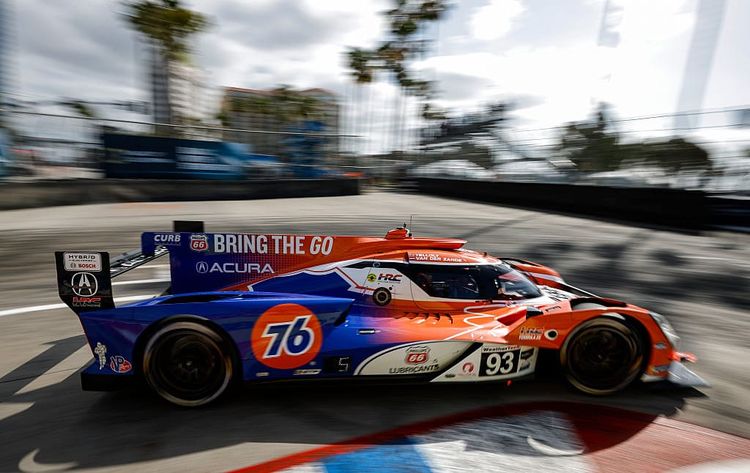
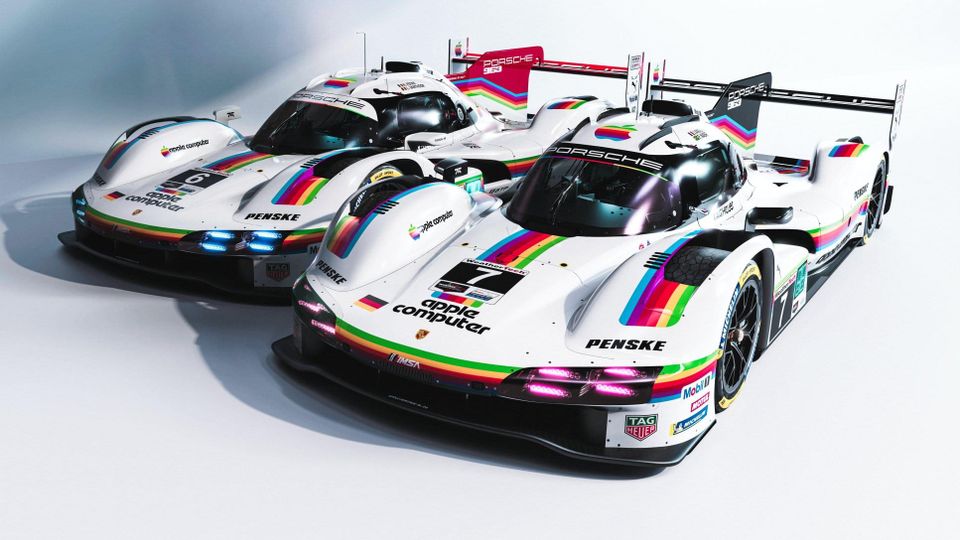
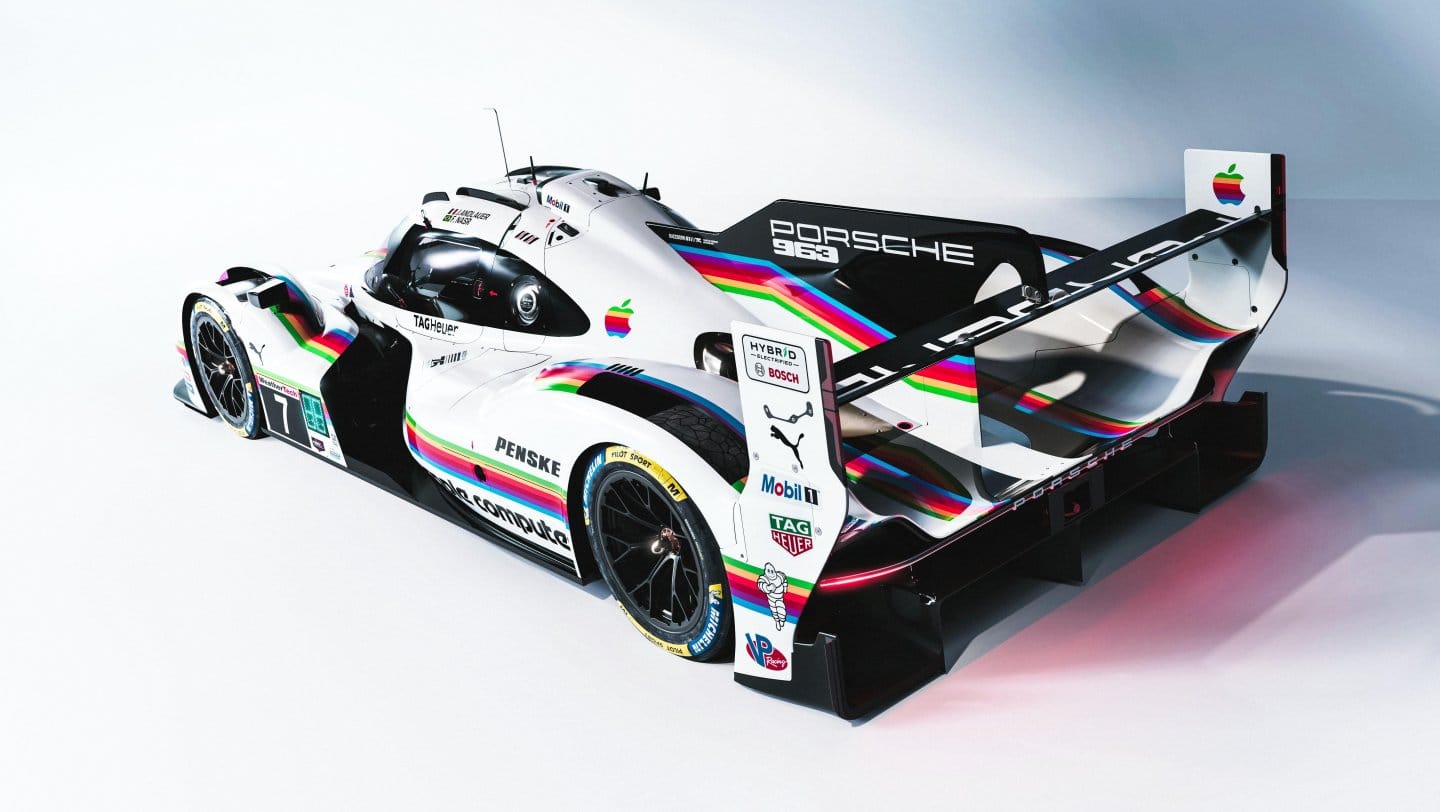
IMSA is now applying a fresh version of this strategy. Its first full Throwback Weekend at WeatherTech Raceway Laguna Seca (May 1-3, 2026) featured ten heritage-inspired liveries, fan vintage-dress requirements, historic car displays, and a downtown Monterey street party. The timing is strategic: IMSA opened 2026 with back-to-back attendance records at Daytona (over 180,000) and Sebring (over 115,000), plus a 37 percent increase in domestic Peacock streaming viewership and 23 percent growth in international streaming reach.
These figures are not coincidental. Nostalgia events bridge generational gaps, converting casual viewers into on-site participants who spend more per capita on tickets, merchandise, and hospitality. Sponsors gain authentic brand storytelling opportunities through retro liveries and activations that perform exceptionally well on social platforms, where user-generated content amplifies reach without additional media spend. The real advantage here is how these events create emotional stickiness that pure modern racing sometimes struggles to match on its own.
How Can Throwback Weekends Counter Broadcast Fragmentation?
Traditional linear TV audiences in motorsports have faced pressure from streaming shifts, yet live-event metrics remain resilient. NASCAR’s historical data showed Throwback Weekend not only stabilized Darlington attendance but elevated the entire weekend’s commercial value through targeted merchandise and sponsor integrations. Teams and manufacturers participating in heritage liveries reported heightened fan interaction, directly supporting activation goals that digital-only campaigns struggle to replicate.
IMSA’s 2026 results reinforce the model. The series achieved 52 million video views across platforms—a 13 percent year-over-year increase—while on-track heritage themes created shareable moments that extended the event’s lifecycle far beyond race day. Younger demographics and female fans, key growth segments across the industry, respond particularly well to experiential storytelling that honors the sport’s past while showcasing modern competition.
The business case is clear when viewed through an evidence-based lens. Multiple seasons of NASCAR data and IMSA’s current trajectory show consistent correlations between throwback programming and three critical KPIs: attendance growth, per-capita spending (especially merchandise), and digital amplification. These outcomes deliver measurable returns for promoters, teams, and sponsors seeking differentiation in a crowded entertainment landscape. In uncertain times, this proven formula offers lower risk and higher predictability than betting everything on next-gen tech alone.
Attendance vs. Digital: Complementary Levers for Series-Wide Growth
Series considering throwback weekends gain a hybrid advantage. On-site crowds generate immediate revenue through gates, concessions, and trackside activations, while retro liveries fuel social media virality that drives future ticket sales and streaming subscriptions. NASCAR’s early Throwback metrics proved this synergy: elevated TV ratings coincided with physical sellouts and sustained sponsor renewals. IMSA is replicating the playbook at a moment when its core business metrics are already trending upward, positioning the new event as a catalyst rather than a rescue tactic.
Other series—whether IndyCar, Formula E, or regional stock car championships—face similar challenges. Heritage events require minimal infrastructure investment relative to their returns. They leverage existing assets (historic liveries, alumni drivers, archival footage) to create authentic experiences that feel organic rather than forced. The result is higher fan retention and sponsor satisfaction, metrics that increasingly determine long-term viability. Getting this balance right can separate series that thrive from those that merely survive.
So What?
For motorsports stakeholders, the evidence from NASCAR’s decade of Throwback success and IMSA’s 2026 momentum offers a straightforward playbook for implementation that smart executives should be studying closely. Series operators should evaluate venue suitability for heritage themes, secure early manufacturer and team buy-in for special liveries, and integrate fan participation elements such as vintage dress codes and interactive displays to maximize on-site dwell time and spending. By benchmarking against proven outcomes—such as IMSA’s 32 percent merchandise lift and record 115,000-plus crowds or NASCAR’s historical sellouts and $2 million diecast revenue spikes—decision-makers can forecast ROI with confidence, allocate marketing budgets toward experiential activations that outperform pure digital spend, and create differentiated content calendars that sustain engagement year-round. Teams and sponsors benefit equally by using throwback platforms for targeted storytelling that builds emotional equity, drives immediate conversions, and supports data-driven follow-up campaigns. In a sector where attendance and per-capita value increasingly determine financial health, adopting or refreshing throwback weekends represents a low-risk, high-reward strategy for identifying trends, optimizing events, and building durable fan relationships that deliver sustainable competitive advantage. The beauty is how these events deliver both immediate cash flow through merchandise and tickets plus longer-term brand loyalty that many modern formats fail to lock in. Subscribe to Vantage Motorsports Event Analytics’ free newsletter for quarterly benchmarking reports and custom analytics frameworks tailored to heritage event planning.
#ProveYourVantage
Sources
- "IMSA’s Upward Trajectory Continues in 2026 with Record Sebring Crowd and Continued Audience Growth," IMSA, April 2, 2026
- "IMSA Monterey SportsCar Championship at WeatherTech Raceway Laguna Seca Goes Full “Throw-Back”," IMSA, February 20, 2026
- "Track Comes Up with New Throwback Themes," Sports Business Journal, August 29, 2016
- "How A Sellout At Darlington Tightens NASCAR’s Grip On Live Attendance," Forbes, September 1, 2019
- "Rolex 24 Draws 180,000-Plus Spectators, Other Records," Sportscar365, February 6, 2026
Vantage. Motorsports Event Analytics levels the track for high-potential U.S. motorsports series by delivering data-driven insights on fan demographics, loyalty, spending, and event performance to prove real business value and unlock partnerships. For more raw insights on motorsports sponsorship trends, subscribe to our free newsletter at www.vantagepointmea.com. Unlock the data that drives wins.