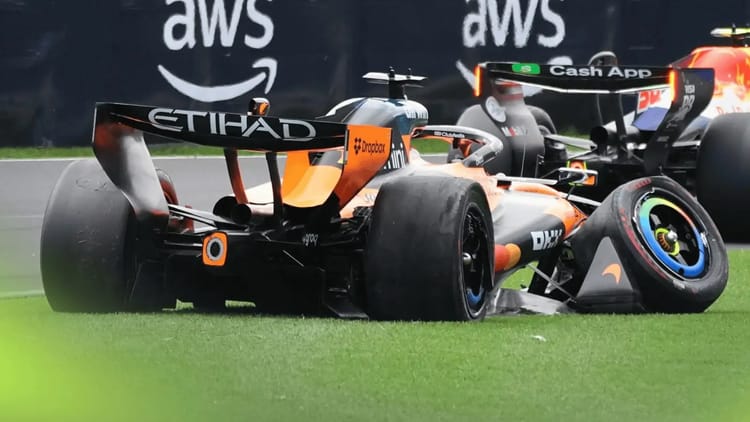
Lando Norris Wins 2025 F1 Title by 2 Points Over Verstappen as Formula 1 Revenue Hits $4B Record
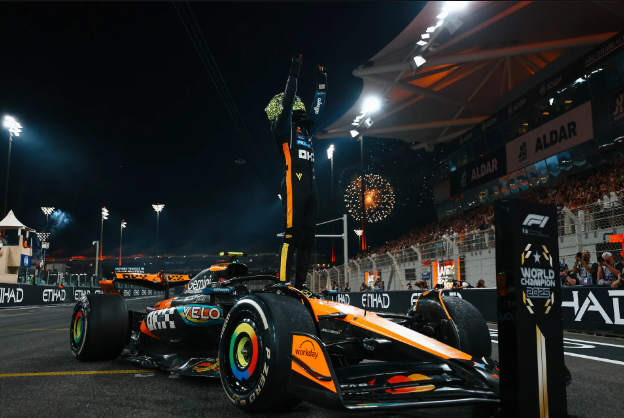
Lando Norris secured the 2025 Formula 1 World Drivers' Championship with 423 points, finishing just two points ahead of Max Verstappen's 421 at the Abu Dhabi Grand Prix finale. This narrow victory marked Norris's first title and McLaren's first driver's title since 2008, highlighting a season of intense competition and strategic prowess.
The 2025 campaign also showcased Formula 1's financial robustness, with trailing twelve-month revenue reaching $4.04 billion. These gains have directly influenced preparations for 2026's regulatory changes, emphasizing sustainability and performance equity.
Stakeholders are analyzing how Norris's triumph and the sport's economic health will shape future strategies.
The season unfolded with multiple lead changes among Norris, Verstappen, and Oscar Piastri, culminating in a tense finale.
"Lando Norris won the 2025 F1 championship with 423 points, two ahead of Max Verstappen's 421."
(ESPN, December 7, 2025)
This margin underscores one of the closest title fights in recent history, driven by consistent performances and tactical racing.
McLaren's constructors' win complemented Norris's achievement, with the team securing their second consecutive title.
What Defined Norris's Path to the 2025 Championship?
Norris's journey featured standout victories and resilient comebacks. Starting strong with podiums in Australia and China, he capitalized on McLaren's mid-season upgrades to overtake early leaders. His maiden win earlier in his career set the stage, but 2025's consistency—evidenced by multiple pole positions and overtakes—proved decisive.
The rivalry with Verstappen intensified, with key battles in Japan and Bahrain. Norris's ability to score points in adverse conditions, including a third-place finish in Abu Dhabi, sealed the deal. Data from the season shows Norris leading in qualifying pace, aligning with his reputation as an elite one-lap specialist.
Fan engagement amplified the narrative. The global F1 audience expanded significantly, providing a broader platform for Norris's story.
"The F1 fanbase grew to 827 million in 2025, a 12% increase from the previous year."
(Forbes, December 9, 2025)
This growth correlated with higher attendance and digital interactions, boosting visibility for drivers like Norris.
Financial metrics mirrored on-track excitement. Revenue streams from media rights and sponsorships surged, supporting team investments.
"Formula 1's trailing twelve-month revenue stood at $4.04 billion as of 2025."
(Companies Market Cap, December 2025)
Such figures enabled McLaren's development, contributing to Norris's edge over competitors.
The season's drama included disqualifications and penalties, with six instances marking the highest since 1989. These events added unpredictability, testing Norris's mental fortitude.
Piastri's strong showings kept intra-team pressure high, but Norris's leadership shone through. His post-race emotions in Abu Dhabi reflected the collective effort, crediting the team for the turnaround.
Broader trends, like attendance records, underscored the season's appeal.
"Attendance reached 3.9 million fans across the first 14 races of 2025, a record high."
(Formula1.com, August 28, 2025)
This physical presence translated to enhanced sponsor value, tying directly to Norris's marketability as champion.
How Will 2026 Regulations Build on 2025's Momentum?
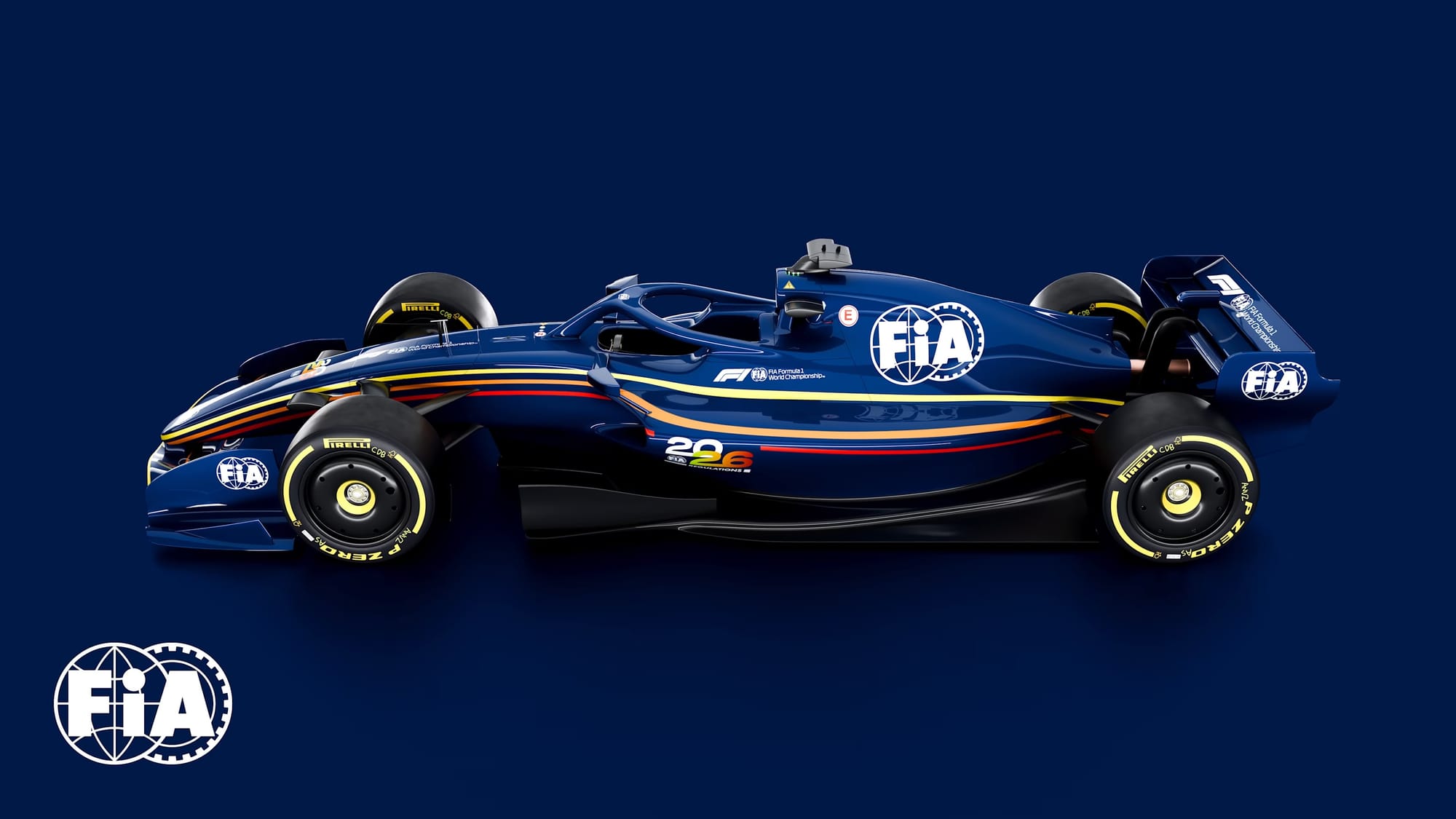
The 2025 season's successes have set the stage for 2026's comprehensive regulatory overhaul, focusing on sustainability and closer racing. New power units will feature a 50/50 split between internal combustion and electric components, using 100% sustainable fuels to reduce emissions.
Cars will become nimbler, with a 30kg weight reduction and 10cm narrower design for improved agility. Active aerodynamics will replace DRS, allowing movable front and rear wings to optimize downforce and speed.
"F1 cars for 2026 will be 30kg lighter and incorporate active aerodynamics to replace DRS."
(BBC, December 10, 2025)
This shift aims to enhance overtaking and energy management, drawing from 2025's competitive insights.
The cost cap will increase substantially to accommodate these developments, ensuring teams like McLaren can innovate without financial strain.
"The F1 cost cap rises from $135 million in 2025 to $215 million in 2026."
(Racingnews365, September 24, 2025)
This adjustment, backed by 2025's revenue growth, promotes parity and attracts new entrants like Cadillac as the 11th team.
Power unit changes emphasize electric boost modes, such as Manual Override for overtakes, building on hybrid evolutions seen in 2025. These rules correlate with fan preferences for eco-friendly racing, as evidenced by the 12% audience increase.
Norris, as reigning champion, will face these changes head-on. His adaptability in 2025 suggests strong potential under the new specs, where lighter cars could favor his precise driving style.
Financial stability from $4.04 billion in revenue enables smoother transitions, with investments in R&D. Team valuations, like Ferrari's $6.5 billion, reflect confidence in the regulations' viability.
The overhaul addresses 2025's imbalances, such as tire wear and aero dependencies, through concessions for underperforming teams. Data links these updates to sustained growth, ensuring the sport's long-term appeal.
Stakeholders anticipate tighter fields, with active aero potentially creating more wheel-to-wheel action. Norris's title defense in 2026 will test these innovations, amid projections of continued fanbase expansion.
The interplay between 2025's on-track drama and off-track finances has validated the need for evolution. Attendance highs and revenue figures provide the economic foundation for ambitious changes.
So What?
For motorsports stakeholders—teams, sponsors, and organizers—the 2025 season's highlights, including Lando Norris's 423-point championship win by a mere two points and a 12% fanbase growth to 827 million, offer actionable frameworks to capitalize on 2026's regulations by reallocating budgets under the $215 million cost cap toward sustainable power units and active aerodynamics, optimizing car designs for the 30kg lighter chassis to improve competitiveness, and leveraging attendance metrics like 3.9 million to enhance event activations for higher sponsor ROI.
By correlating financial surges such as $4.04 billion in trailing revenue with regulatory shifts, leaders can identify trends for innovation, refine strategies for closer racing through eco-fuels and agile formats, and deploy analytics to forecast performance gains, ultimately fostering equitable growth and fan retention in the evolving F1 landscape. Subscribe to Vantage Motorsports Event Analytics' free newsletter for deeper insights and tools to implement these strategies effectively.
#ProveYourVantage
Sources
- "Lando Norris wins first F1 world title after tense Abu Dhabi finale", ESPN, December 7, 2025, https://www.espn.com/f1/story/_/id/47151000/lando-norris-wins-first-f1-world-title-championship-2025-abu-dhabi-mclaren
- "A $76 Million Driver And A $6.5 Billion Team: F1’s 2025 Season By The Numbers", Forbes, December 9, 2025, https://www.forbes.com/sites/brettknight/2025/12/09/a-76-million-driver-and-a-65-billion-team-f1s-2025-season-by-the-numbers/
- "Formula One Group (FWONK) - Revenue", Companies Market Cap, December 2025, https://companiesmarketcap.com/formula-one-group/revenue/
- "Records, growth and unforgettable moments – the 2025 Formula 1 season so far", Formula1.com, August 28, 2025, https://www.formula1.com/en/latest/article/records-growth-and-unforgettable-moments-the-2025-formula-1-season-so-far.1usXKBpUsYIndrYz22GQTq
- "Biggest rule change ever and Brit teen - what's new in F1 in 2026?", BBC, December 10, 2025, https://www.bbc.com/sport/formula1/articles/cj38l751k4xo
- "FIA reveal concessions to F1 teams ahead of major cost cap change", Racingnews365, September 24, 2025, https://racingnews365.com/fia-reveal-concessions-to-f1-teams-ahead-of-major-cost-cap-change
Vantage. Motorsports Event Analytics levels the track for high-potential U.S. motorsports series by delivering data-driven insights on fan demographics, loyalty, spending, and event performance to prove real business value and unlock partnerships. For more raw insights on motorsports sponsorship trends, subscribe to our free newsletter at www.vantagepointmea.com. Unlock the data that drives wins.