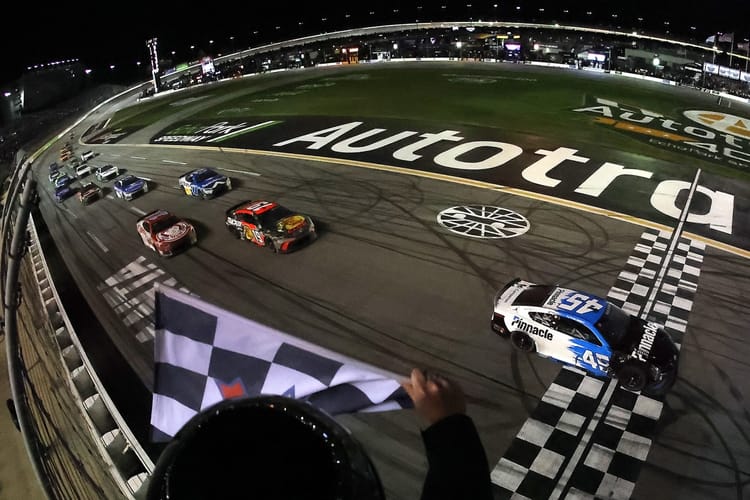
Toyota's Gazoo Racing Rebrand: What It Means For Privateer Teams
In January 2026, Toyota announced the rebranding of its motorsports division from TOYOTA GAZOO Racing to Gazoo Racing. The move sets it up as a standalone performance brand with a clear focus on accelerating customer programs like the GR GT3. This isn't just a name change. It's Toyota betting that a sharper, less corporate identity will help capture more of the growing customer-racing space in a market that's already at $7.31 billion and heading to $7.98 billion this year.
This strategic shift positions Gazoo Racing as Toyota's fifth distinct brand, emphasizing motorsports innovation free from corporate constraints. The rebrand includes renaming the European R&D center to Toyota Racing GmbH, while global customer racing adopts the Gazoo Racing identity. It gives the division room to move faster on customer needs without the usual Toyota bureaucracy slowing things down.
"The announcement reflects a return to the division's rebellious origins, enabling purer performance vehicles." That's the line Toyota used, and it rings true. The original Gazoo spirit was about pushing limits without heavy oversight. Bringing that back could make the brand more appealing to private teams who want factory-level hardware without the politics.
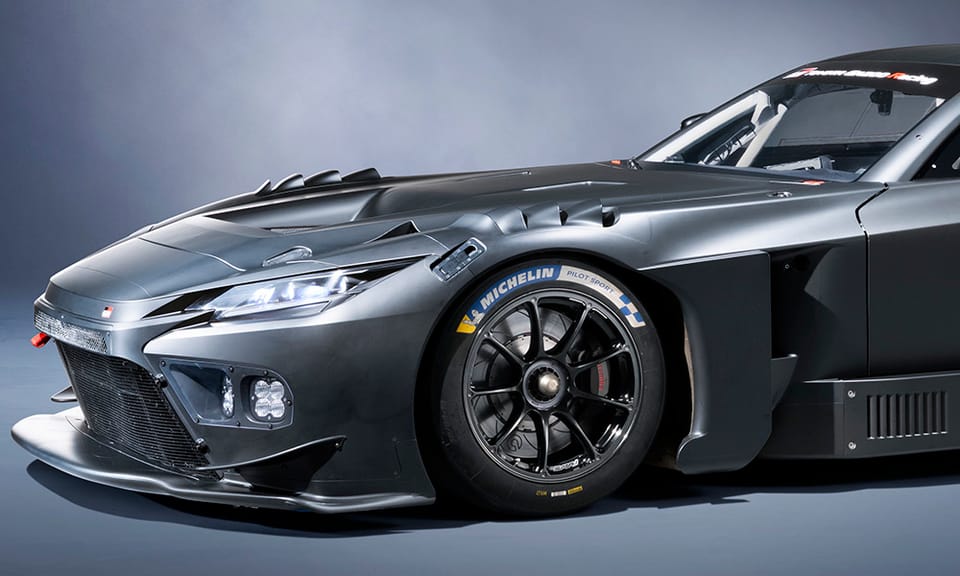
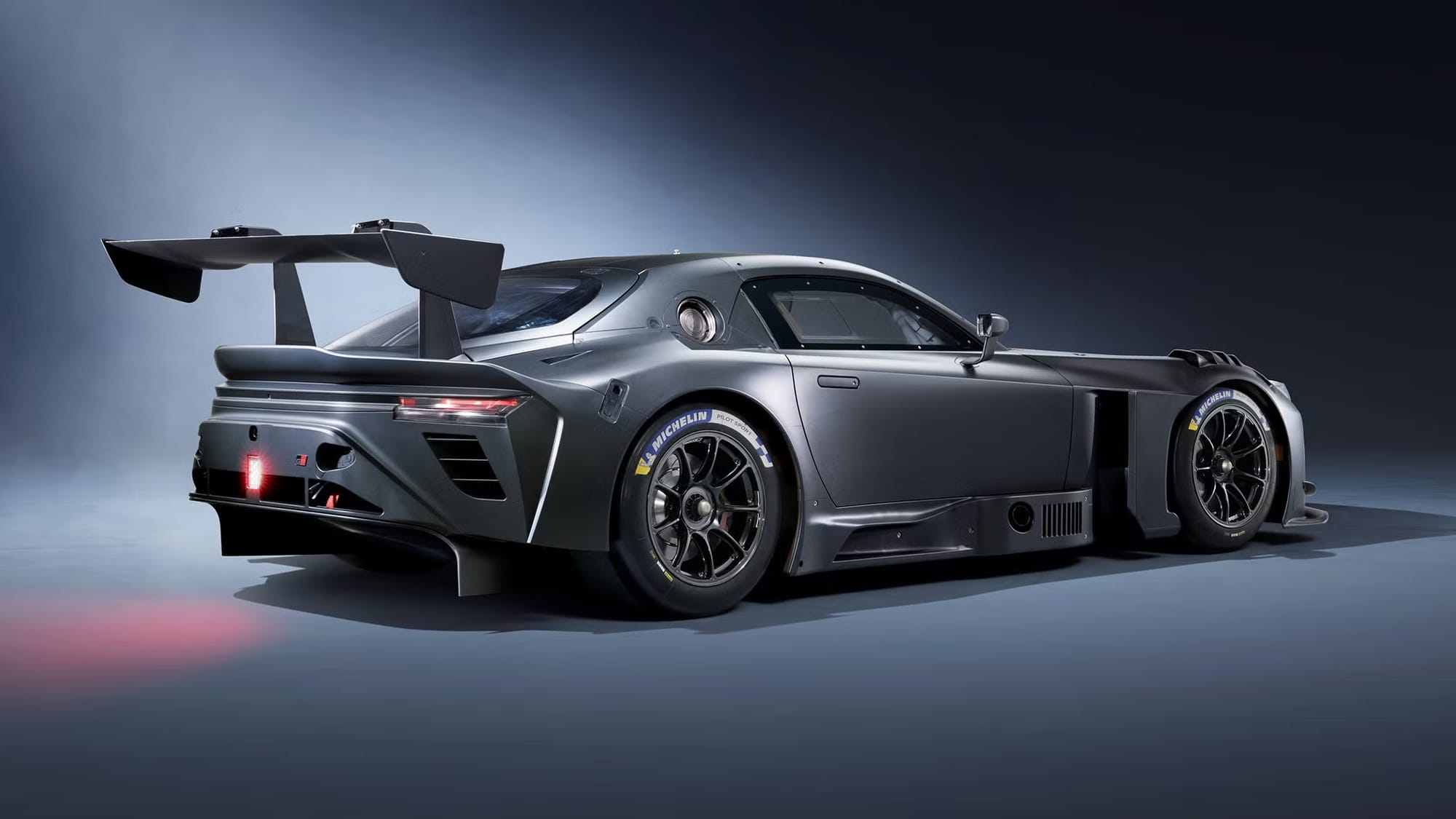
Complementing the rebrand, Toyota unveiled the GR GT3 in December 2025, a FIA GT3-spec race car based on the new GR GT road model. Engineered for customer teams, it features a low center of gravity, high rigidity, and aerodynamic efficiency. The car targets privateer racers seeking competitive edges in global series.
"The GR GT3 is a new, GR GT-based, FIA GT3-spec race car engineered for all customers who want to win races." (IMSA, December 4, 2025)
This customer-centric design aims to democratize high-level racing, replacing the aging Lexus RC F GT3 in key markets. Privateers have been asking for something fresher and more accessible. If the GR GT3 delivers on balance and reliability, it could quickly become a go-to platform.
The motorsports industry supports such expansions, with the global market valued at $7.31 billion in 2025 and projected to reach $7.98 billion in 2026.
"The Motorsport Market size was estimated at USD 7.31 billion in 2025 and expected to reach USD 7.98 billion in 2026, at a CAGR of 9.68% to reach USD 13.97 billion by 2032."
(360iResearch, 2025)
This growth trajectory underscores opportunities for brands like Gazoo Racing to capture market share through innovative programs. Customer racing is one of the fastest-growing slices. Brands that invest here see better long-term returns than those chasing only factory glory.
How Does the GR GT3 IMSA Entry Enhance Privateer Opportunities?
The GR GT3's planned debut in the IMSA WeatherTech SportsCar Championship for 2027 marks a significant North American expansion under the Gazoo Racing banner. It will replace Lexus Racing branding, with the Rolex 24 at Daytona as its inaugural event. This transition aligns with Toyota's unified branding strategy, streamlining operations for customer teams.
"The recently unveiled GR GT3 is set to make its North American debut in next year's Rolex 24 at Daytona according to Lexus Racing and Gazoo Racing North American director of motorsports Jeff Bal." (Sportscar365, January 22, 2026)
Privateers benefit from the car's driver-first approach, making it accessible for teams in GTD and GTD PRO classes. In IMSA, where gentlemen drivers are the backbone, ease of use and factory support can make the difference between finishing mid-pack and fighting for podiums.
Correlations between branding unification and market penetration are evident in Toyota's broader motorsports push. The rebrand facilitates global consistency, from IMSA to SUPER GT and Nürburgring 24 Hours. Customer programs like the GR GT3 are poised to attract privateers, offering factory support and competitive hardware in a growing GT3 landscape. When teams see the same branding and support everywhere, it lowers the mental and logistical friction of running multi-series campaigns.
What Role Does Unified Branding Play in Global Expansion?
Toyota's rebrand extends beyond GT3, encompassing partnerships like the title sponsorship of Haas F1 Team in 2026. The team, renamed TGR Haas F1 Team, highlights Gazoo Racing's focus on talent development and technical collaboration. This deal replaces MoneyGram and amplifies Toyota's Formula 1 presence without a full works entry.
"Toyota Gazoo Racing will become the title partner of the Haas Formula 1 team next year in a deal that will strengthen the ties between the Japanese motor company and the American racing team." (ESPN, December 4, 2025)
Such alliances drive revenue through shared resources, including driver programs and engineering exchanges. For sponsors, it's a clean way to get exposure in F1 without the massive cost of a full team.
The unified Gazoo Racing identity fosters privateer revenue by standardizing support across series. Teams gain access to parts, data, and marketing synergies, reducing costs while enhancing competitiveness. This model correlates with industry growth, where customer racing segments expand due to accessible, high-performance platforms.
In Europe and Asia, the GR GT3 targets entries in WEC's LMGT3 class post-2026, further globalizing Toyota's footprint. Privateers can leverage the brand's rally and endurance heritage for sponsorship appeal. Overall, the rebrand and GT3 program create an ecosystem for sustained market expansion. When everything carries the same name and support structure, private teams can scale more easily and sponsors can activate across more touchpoints.
So What?
Toyota's shift to Gazoo Racing as a standalone brand, paired with the GR GT3's customer focus and the 2027 IMSA entry, gives teams, privateers, and sponsors a practical path to ride the motorsports market's climb toward $7.98 billion in 2026 and beyond. Unified branding cuts confusion and operational drag, letting privateers run cleaner multi-series programs with factory parts and data that can shave meaningful costs while improving lap times. Sponsors get cleaner activation opportunities across IMSA, WEC, SUPER GT, and now a visible F1 title role with Haas, where shared engineering and talent pipelines create leverage that standalone deals rarely match. Event organizers win from deeper GT3 grids that draw more entries and keep fans engaged longer. The catch is execution: homologation timelines must stay on track, and support networks have to deliver real value fast, or rivals will eat the opportunity.
For anyone in the space, this is the moment to evaluate whether your current programs are built for this kind of accessible, factory-backed expansion or if they're stuck in legacy silos. The numbers point to customer racing as a high-ROI play in a 9.68% CAGR market. Subscribe to Vantage Motorsports Event Analytics newsletter for exclusive insights on trend forecasting, event optimization via attendance and engagement metrics, and tailored strategies that convert branding shifts into measurable gains like 20% uplifts in privateer sponsorship deals within competitive sectors.
#ProveYourVantage
Sources
- "TOYOTA GAZOO Racing Reverting to "GAZOO Racing" to Pass on and Evolve the Making of Ever-better Cars and the Fostering of Talent", Toyota Global Newsroom, January 7, 2026, https://global.toyota/en/newsroom/corporate/43844942.html
- "Toyota Gazoo Racing Reveals New GR GT and GR GT3", IMSA, December 4, 2025, https://www.imsa.com/news/2025/12/04/toyota-gazoo-racing-reveals-new-gr-gt-and-gr-gt3
- "Motorsport Market Size & Share 2026-2032", 360iResearch, 2025, https://www.360iresearch.com/library/intelligence/motorsport
- "GR GT3 Set for IMSA Debut in 2027 as Lexus Racing Rebrands", Sportscar365, January 22, 2026, https://sportscar365.com/imsa/iwsc/gr-gt3-set-for-rolex-24-debut-in-2027-in-lexus-racing-rebrand
- "Toyota taking over title sponsorship for Haas F1 in 2026", ESPN, December 4, 2025, https://www.espn.com/racing/story/_/id/47198102/toyota-taking-title-sponsorship-haas-f1-2026
Vantage. Motorsports Event Analytics levels the track for high-potential U.S. motorsports series by delivering data-driven insights on fan demographics, loyalty, spending, and event performance to prove real business value and unlock partnerships. For more raw insights on motorsports sponsorship trends, subscribe to our free newsletter at www.vantagepointmea.com. Unlock the data that drives wins.