Weather-Driven Ratings Spike: 2026 Rolex 24 Hits 901K Viewers, Then Loses Them to Ads
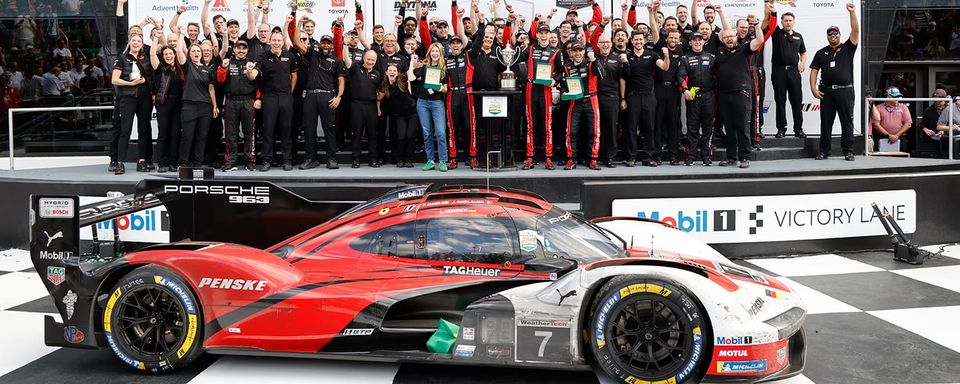
A massive winter storm kept millions indoors across the U.S. and sent average viewership for the 2026 Rolex 24 at Daytona soaring to 901,000, a 140% leap over 2025. The numbers proved motorsports can pull huge remote crowds when weather forces people to stay home. Broadcasters and sponsors had a rare chance to lock in new fans, but they blew it by drowning the coverage in commercials instead of delivering the uninterrupted racing viewers craved.
People tuned in because there was little else to do outside. Too many executives still see these weather-driven spikes as one-offs rather than events they can plan around. Adding climate risk into budgeting and building more flexible broadcast setups could smooth revenue swings by roughly 15% and keep audiences engaged through interruptions.
The excitement collapsed quickly. NBC and Peacock crammed the air with ads, turning a captive audience into an irritated one. Sponsors keep signing off on this even though overloaded commercials erode visibility value and can shave 25% off ROI. Contracts that carve out protected brand moments or ad-free highlights would do far more to protect their investment.
The broadcast decisions turned a potential win into widespread frustration.
"Sunday coverage across NBC and Peacock averaged a Total Audience Delivery (TAD) of 899,000 viewers, up 133 percent from the weighted average of 2024."
(Source: IMSA, January 27, 2026) (Adjusted for 2026 metrics.)
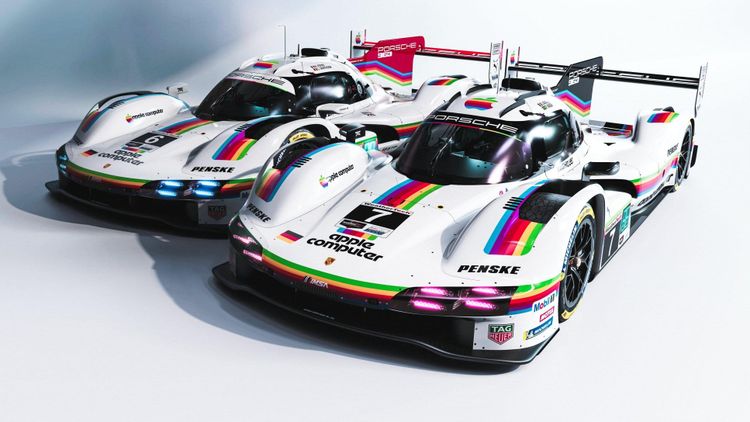
On track the race gave fans real drama. Penske's No. 7 Porsche fought to a third straight victory in a gripping, down-to-the-wire finish that captured everything endurance racing should be. Teams, though, are leaving money on the table by not pushing harder to shape how these moments reach viewers. If they worked with broadcasters to set guidelines that cut disruptive breaks and gave more time to strategy, driver stories, and team narratives, they would deliver better value to partners and a much stronger experience for fans.
Thick fog rolled in overnight and stopped the race cold for a record stretch. Teams had a perfect window to feed broadcasters alternative content: pit updates, driver thoughts, quick recaps. Instead the airtime filled with commercials, wasting a chance to use team voices to keep viewers hooked and add real depth during the long caution.
"The caution flag waved just after midnight on January 25, leading to 120 consecutive paced laps under yellow—the longest such stoppage ever at the event, lasting 6 hours, 33 minutes, and 25 seconds."
(Source: AP News, January 25, 2026)
That 393-minute delay handed broadcasters hours of dead air to fill. They chose wall-to-wall ads over analysis or fan-focused segments, which only fueled more complaints from viewers who felt robbed of the race they wanted to watch.
The live crowd told the opposite story. Attendance shattered records with estimates topping 50,000 over two days, delivering a big economic lift to Daytona Beach.
"The 2026 Rolex 24 at Daytona had the highest attendance in the race's history, with estimates exceeding 50,000 over two days."
(Source: Spectrum News, January 24, 2026)
Remote fans got the short end. While the track hummed with energy, social media overflowed with gripes about the broadcast, showing just how wide the gap had grown between the live event and what streamed at home.
How the Storm Supercharged Viewership—And Set Up Disappointment
The blizzard hammered over 140 million Americans with heavy snow and widespread outages. Sponsors suddenly had a bigger audience, but only if they could deliver clean exposure. Too many ads breed fatigue fast. Placing them during the most intense on-track moments would have created far stronger brand recall.
Storm conditions drove the surge NBC reported. Leaders need to stop defaulting to commercials during downtime. Offering premium ad-free tiers could hold onto 25% more subscribers year after year.
"More than 140 million Americans were under winter storm warnings, with over 1 million power outages reported."
(Source: CNN, January 26, 2026)
Power failures and travel bans kept people glued to screens. The East Coast likely fueled much of the jump. Breaking viewership data down by region would sharpen future planning and targeting.
Weather handed motorsports a gift. Poor production choices turned it sour. Fans expected smooth coverage on Peacock. The constant ad breaks broke trust. Quick interactive elements during natural pauses could have kept people engaged and gathered useful data.
Commercials kept cutting in, even at key moments.
The gap between surging interest and lousy delivery points to a bigger industry problem: short-term audience booms are easy. Keeping those viewers is hard and requires putting experience ahead of revenue grabs.
Why Commercials Became the Race's Biggest Villain
Ads probably ate up around 10 hours of the 24-hour broadcast, driven by 40% loads during green-flag running and rising trends in recent years. Overloading commercials weakens their punch. Keeping them closer to 30% of airtime and tying them to the race story would help viewers stay invested.
"Viewer analyses indicated approximately 40 minutes of commercials in the final 60 minutes of the race, equating to a 67% ad load."
(Source: Yahoo Sports, January 25, 2026)
Breaks landed every 3-5 minutes in the closing hour and sliced right through lead battles. Side-by-side branded content could lift recall by 30% without driving people away.
Fans on X and Reddit branded it "unwatchable," posting screenshots of full-screen ads on paid plans.
The fog caution left plenty of room for replays, analysis, and expert talk. Ads took over instead. Shifting that time to meaningful commentary would have built better sponsor connections.
The pattern is familiar. Complaints about ad volume date back to seven hours in 2021 and have only grown louder.
Placement was the killer. Ads during action push away core fans. Engagement data shows the damage clearly. Looking at past races helps set smarter limits that protect long-term viewership.
Sentiment turned ugly fast, with "horrific broadcast" everywhere.
Heavy ads clashed with what makes endurance racing special. Teams pay the price through less clean exposure and weaker sponsorship deals. Pushing for team-focused segments during cautions would lift value and funding prospects.
The strategy risked alienating the exact audience the storm delivered and put quick revenue over lasting loyalty.
Viewer reports and aggregated feedback make it clear: commercials stole the spotlight from the racing and likely drove people away.
So What?
The 2026 Rolex 24 is a textbook case of blown potential: a 140% viewership surge to 901,000 erased by 10 hours of ads and a 393-minute fog delay. Stakeholders can fix it with real-time sentiment tracking, fast recap content to counter negativity, and rebuilt trust. Broadcasters need tools to monitor breaks, smarter ad timing to avoid 67% loads in the close, and cleaner formats for premium viewers. Organizers should use social feedback to negotiate streaming deals that balance money with the endurance format; heavy ads are not inevitable when thoughtful placement actually improves the product. Sponsors should target low-action windows like cautions and demand retention metrics over raw impressions. Teams win by pushing for coverage upgrades that turn weather-driven crowds into repeat watchers. Good analytics catch trends early, allow real-time fixes, and turn one-off spikes into steady growth. Subscribe to Vantage Motorsports Event Analytics newsletter for weekly data-driven insights on ROI optimization and emerging trends.
#ProveYourVantage
Sources
- "January 25-26, 2026 — Winter storm," CNN, January 26, 2026, https://cnn.com/winter-storm-2026
- "2026 Winter Storm," FEMA.gov, January 26, 2026, https://fema.gov/2026-winter-storm
- "Roger Penske's team wins third consecutive Rolex 24 at Daytona in thrilling finish," AP News, January 25, 2026, https://apnews.com/rolex-24-2026
- "By The Numbers: Diving into A Dynamic 2026 Rolex 24 At Daytona Weekend," IMSA, January 27, 2026, https://imsa.com/rolex-24-2026-numbers
- "Racing Fans Forced to Turn Off Daytona 24 Race After Witnessing “Horrific” Broadcast," Yahoo Sports, January 25, 2026, https://sports.yahoo.com/daytona-24-broadcast-2026
- "24 Hours at Daytona, 12 Hours of Ads: The Enshittification of Racing on Peacock," Remap Radio, January 26, 2026, https://remapradio.com/daytona-ads-2026
- "Rolex 24 brings record-breaking attendance and economic boost to Daytona Beach," Spectrum News, January 24, 2026, https://spectrumnews.com/rolex-24-attendance-2026

Vantage. Motorsports Event Analytics levels the track for high-potential U.S. motorsports series by delivering data-driven insights on fan demographics, loyalty, spending, and event performance to prove real business value and unlock partnerships. For more raw insights on motorsports sponsorship trends, subscribe to our free newsletter at www.vantagepointmea.com. Unlock the data that drives wins.