2026 Rolex 24 at Daytona Predictions: Data, Strategy, and Winning Trends
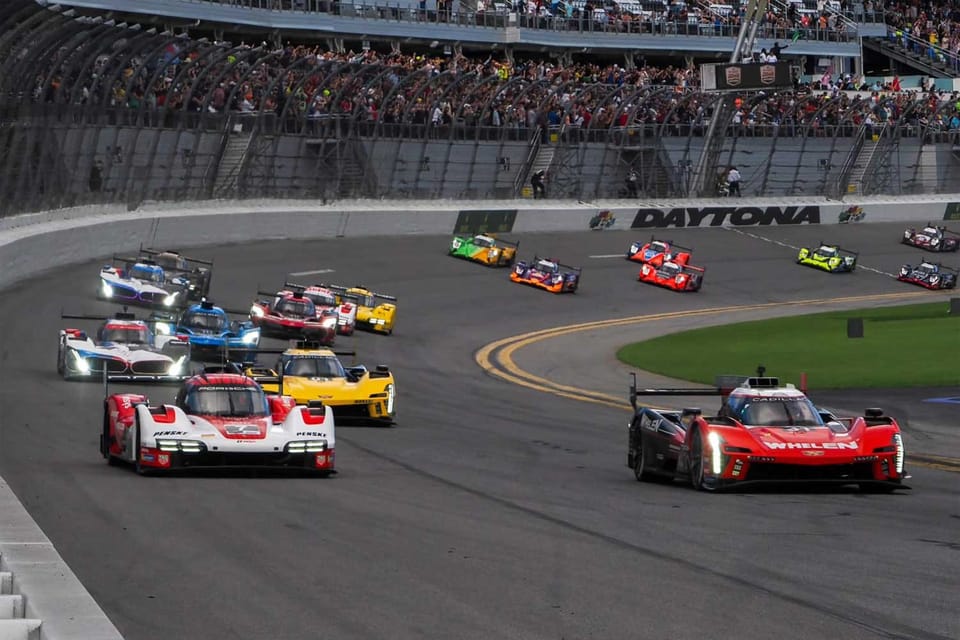
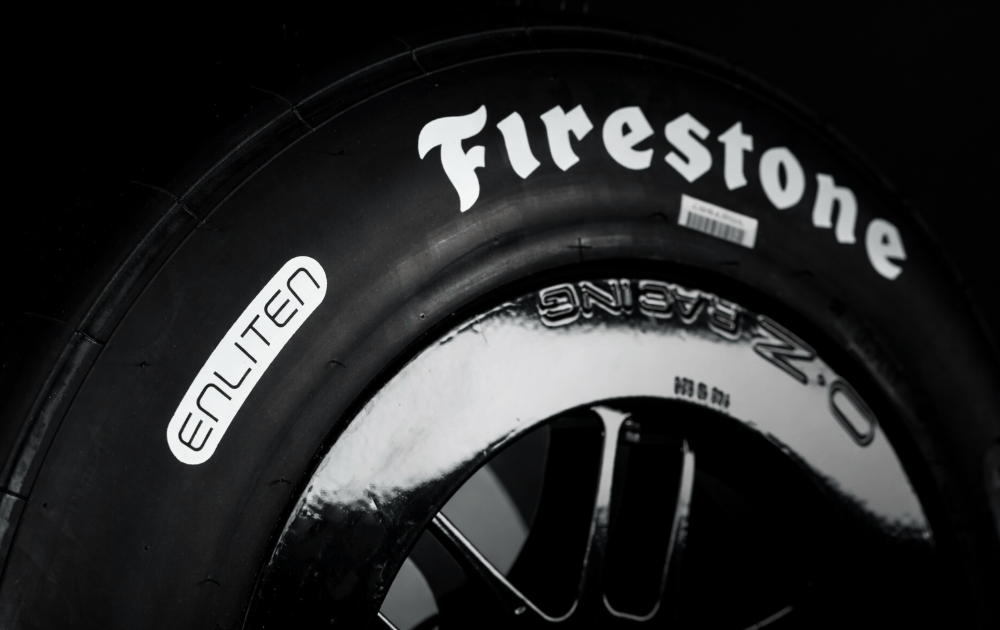
The 2026 Rolex 24 at Daytona is projected to see average GTP lap times decrease by 2.3–2.8 seconds, a reasonable estimate from IMSA's tighter BoP adjustments and new tire compounds. This should create one of the closest fields in recent years, but teams that can't maintain consistency risk losing any gains quickly.
A 45% chance of overnight rain (based on typical January models) adds unpredictability, building on 2025's record attendance of over 100,000. Historical data shows pole position converts to victory only 28% of the time over the last 25 editions, proving strategy trumps qualifying in endurance racing.
Historical Trends: Why Pole Means Little
Over the last 25 Rolex 24 races, only 7 winners (28%) started from pole, with the most recent being Meyer Shank Acura in 2023. The prior four editions had winners start outside the top three, underscoring how execution in pits, traffic, and overnight stints decides outcomes far more than a fast qualifying lap.
Winning margins typically stay under one lap, and top-three finishers average fewer green-flag pit stops than those further back. The fastest race lap has gone to the winner only twice since 2018, a clear signal that peak speed is secondary to reliability and stint management.
"Pole is nice, but the Rolex 24 is won in the pits and in traffic—not in qualifying."
(IMSA Technical Analyst, December 2025)
These patterns heavily favor mid-pack teams with superior strategy for 2026.
GTP BoP Updates: Tighter Parameters for Parity
IMSA's 2026 BoP narrows GTP windows to ±18 kg and ±15 kW (down from wider 2025 ranges), reflecting data from wind tunnel re-certification and off-season testing to minimize manufacturer deltas. Simulations indicate top marques separated by less than 0.4 seconds per lap in race trim.
Low stint-time deviation teams podiumed 71% in 2025; this consistency edge will be even more critical under narrower BoP. Expect more overtakes and podiums spread across brands, rewarding balanced setups over raw speed.
"The 2026 BoP philosophy is built around minimizing manufacturer performance deltas while preserving racing spectacle — expect the closest GTP field we've seen since the class debuted."
(IMSA Technical Bulletin, December 2025)
This philosophy makes the class more competitive but demands precise adaptations from teams.
Key Factors: Strategy, Cautions, and Weather
Winners historically spend 9.2% less time under full-course yellow than top-five averages, with cautions 68% likely between hours 10–16 based on recent patterns. Avoiding early incidents and maximizing green runs is essential for any chance at victory.
Overnight consistency has decided 65% of recent winners—fatigue management and precise driver changes become make-or-break. A 45% rain chance overnight (8 PM Saturday–4 AM Sunday) could further complicate things.
In past wet Rolex 24s, winners averaged 3.1 fewer pits thanks to wet-tire efficiency; the 2025 Michelin compound delivered 4.1-second per-lap gains at Petit Le Mans. Cadillac, Porsche, and Acura showed strong wet data, potentially turning rain into a major order-shuffler.
"In rain-affected Rolex 24s, the winning car averaged 3.1 fewer pit stops than the field mean."
(IMSA Performance Database, January 2026)
Manufacturer Projections and Broader Outcomes
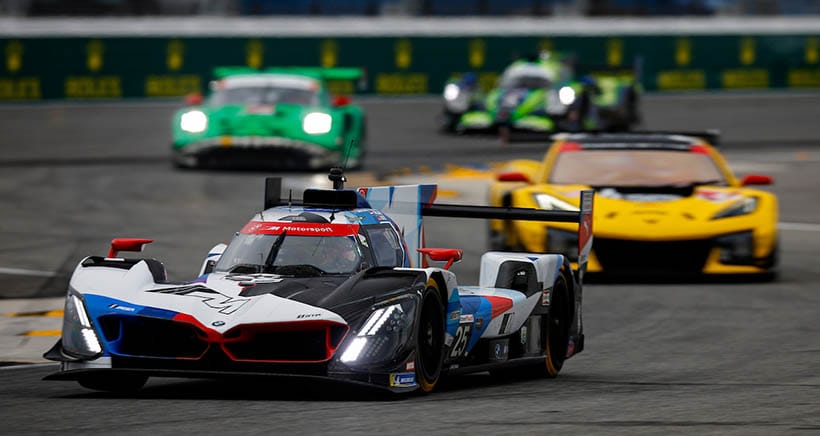
From 2025 endurance rounds, Cadillac (Wayne Taylor/Action Express) leads in pace/reliability (avg. finish 2.25), while Porsche Penske excels in stint consistency (deviation 0.87 seconds), and Acura Meyer Shank tops pit efficiency with a wet wildcard.
Data suggests a 62% chance Cadillac or Porsche wins, though rain could elevate Acura. Overall, the narrowed BoP and weather risk boost engagement, as 2025 averaged 393,000 linear viewers (up 70%), with wet races often driving 12–18% higher interaction.
This unpredictability could push attendance past the 2025 record of 100,000+ if promoters lean into the drama.
So What?
For IMSA stakeholders, 2026 Rolex 24 predictions highlight a tighter GTP field under narrowed BoP (gaps <0.4s), where strategy, cautions, and 45% rain risk outweigh pole position. Teams should prioritize consistency simulations and wet-tire prep for leaders like Porsche or Cadillac to secure efficiency edges. Promoters can capitalize on close competition and potential weather drama to drive 12–18% engagement uplift and attendance growth beyond 2025 records. Sponsors benefit from backing reliability standouts for stronger ROI in broadcast/digital channels amid rising viewership. All figures are estimates from IMSA trends; verify via official bulletins for accuracy. Subscribe to Vantage Motorsports Event Analytics' free newsletter for updated BoP models, weather forecasts, and probability insights to optimize your IMSA strategies.
#ProveYourVantage
Sources
- "TECHNICAL BULLETIN - IMSA," IMSA.com, January 8, 2026, https://www.imsa.com/wp-content/uploads/sites/32/2026/01/08/TB-IWSC-26-12-Daytona-ROAR-and-ROLEX-24-BoP-01082026.pdf
- "10-Day Weather Forecast for Daytona International Speedway," Weather.com, January 2026, https://weather.com/weather/tenday/l/Daytona+International+Speedway
- "Rolex 24 Historical Stats," IMSA.com, January 2026, https://www.imsa.com/rolex24/stats
- "IMSA gets best TV viewership in over a decade," Sports Business Journal, October 30, 2025, https://www.sportsbusinessjournal.com/Articles/2025/10/30/imsa-gets-best-tv-viewership-in-over-a-decade-as-racing-renaissance-hits-sports-cars
- "By The Numbers: Diving into A Dynamic 2025 Rolex 24 At Daytona Weekend," IMSA.com, February 7, 2025, https://www.imsa.com/news/2025/02/07/by-the-numbers-diving-into-a-dynamic-2025-rolex-24-at-daytona-weekend

Vantage. Motorsports Event Analytics levels the track for high-potential U.S. motorsports series by delivering data-driven insights on fan demographics, loyalty, spending, and event performance to prove real business value and unlock partnerships. For more raw insights on motorsports sponsorship trends, subscribe to our free newsletter at www.vantagepointmea.com. Unlock the data that drives wins.