Bathurst 12 Hour Crash Raises Questions Over Radio Communication Failures
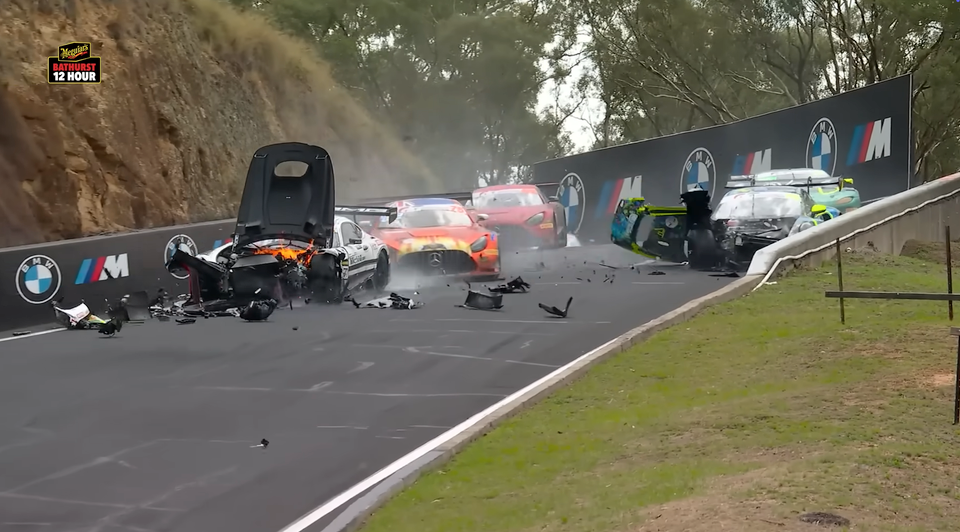
A 27G impact during the 2026 Bathurst 12 Hour left race leader Ralf Aron with two vertebral fractures, yet he walked away—highlighting both the resilience of modern race cars and the perils of communication breakdowns, which can swiftly turn a competitive edge into a costly setback for teams chasing consistent podiums.
This incident, occurring in the ninth hour, stemmed from a spin by Johannes Zelger's Porsche, blocking the track at a blind crest. Aron's Mercedes-AMG struck it at full speed due to unresolved radio issues preventing hazard warnings, reminding executives how such oversights can cascade into operational halts that diminish sponsor activation returns.
Such events underscore the fragility of safety nets in high-stakes endurance racing, where lapses not only heighten risks but also challenge organizers to refine systems that keep events on track for maximum revenue potential.
"The crash registered 27Gs."
(RACER, February 16, 2026)
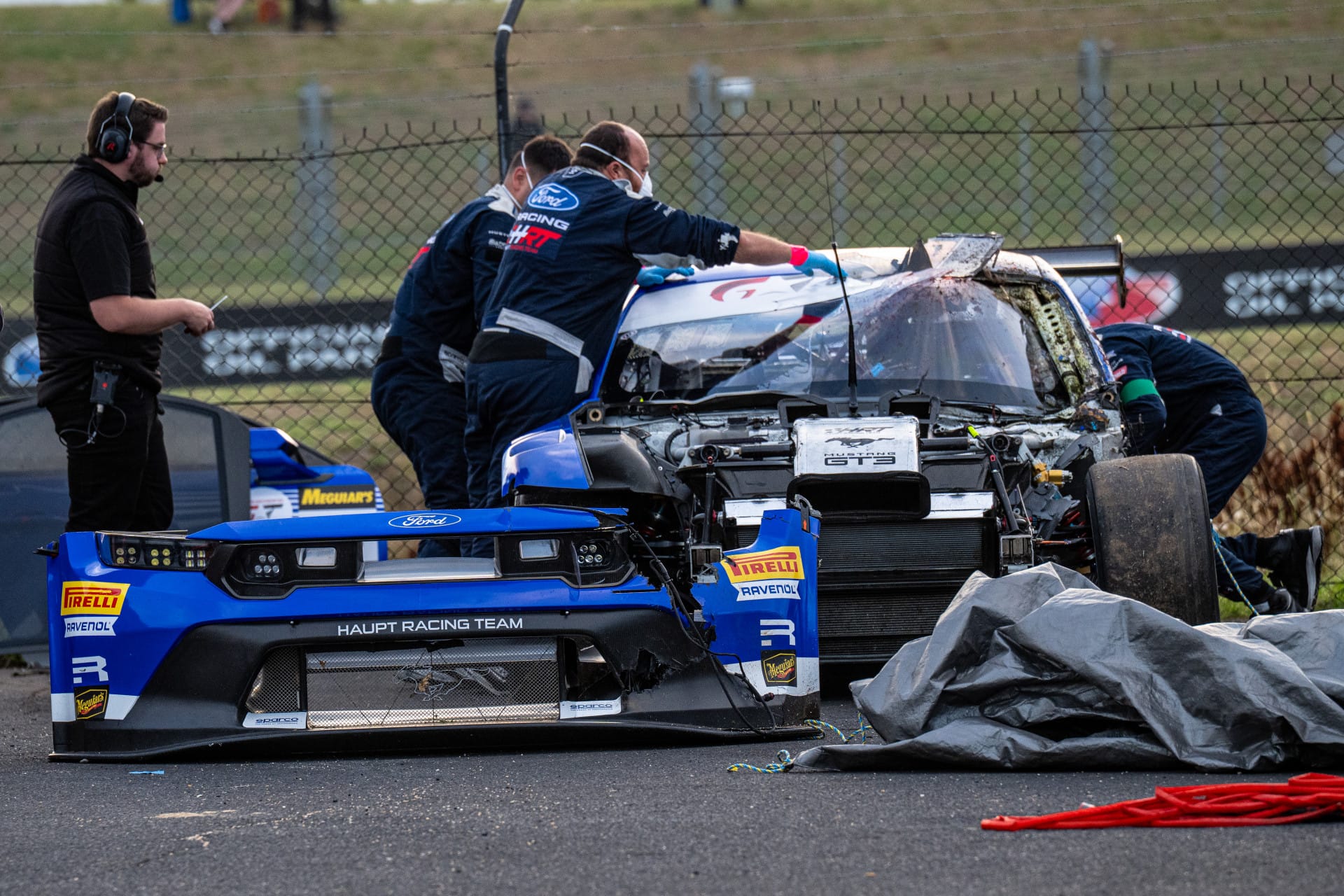
Aron's injuries were stable, with no loss of sensation, allowing recovery in Australia. Zelger emerged sore but unharmed, outcomes that spotlight the value of robust car engineering in maintaining driver appeal for endorsement deals.
The race was placed under red flags to clean up the crash, but finished under racing conditions. This not only disrupted the event but also sparked debates on protocols, debates that savvy leaders use to push for upgrades enhancing event reliability and fan retention metrics.
An earlier kangaroo strike on Chris Mies' Ford Mustang at 250 km/h forced a DNF, unharmed driver aside. These reminders emphasize Mount Panorama's unique hazards: blind sections, wildlife, and rapid condition changes, hazards that demand tailored risk assessments to optimize budget allocations for track-specific contingencies.
How Communication Gaps Amplify Track Hazards?
Radio systems represent a cornerstone of motorsports safety, enabling real-time alerts from spotters and teams, but persistent failures erode trust in the chain, compelling teams to invest in diagnostics that prevent downtime eating into race-day profits.
In Bathurst, Craft Bamboo's persistent radio glitches left Aron without critical updates. Marshals' flags arrived too late over the blind Forrest’s Elbow, illustrating why redundant alert layers are essential for maintaining pace and avoiding pile-ups that delay schedules and frustrate broadcasters.
Human factors compound these issues, amplifying small errors into chain reactions that analysts must map to refine training ROI.
Criticism targeted race control for delayed warnings, volunteer marshals for flag timing, and teams for not addressing faults promptly, pointing to accountability gaps that sharp contracts can close for better operational efficiency.
Calls emerged for mandatory interventions, like black-flagging cars with ongoing radio problems to force repairs. Such measures could sacrifice positions but prioritize safety on treacherous layouts, ultimately safeguarding the event's overall marketability.
NASCAR's model offers contrast: extensive radio networks ensure layered communication, an approach endurance circuits could emulate to streamline coordination and open doors to collaborative tech revenues.
"In major NASCAR events, over 100 FCC-licensed radio broadcasts facilitate critical communications."
(HowStuffWorks, 2024)
This density minimizes blind spots, reducing incident likelihood, and shows how dense networks can elevate event predictability for higher stakeholder confidence.
What Safety Tech Reveals About Crash Reductions?
Advancements in connected technologies provide evidence-based paths to mitigate risks, paths that forward-thinking teams harness to cut recovery times and sustain competitive budgets.
IoT systems like RallySafe automatically detect spins or stops, notifying trailing vehicles instantly—bypassing human delays, thereby preserving race momentum and enabling quicker returns to green-flag action that boosts viewer satisfaction.
These align with broader vehicular tech trends, positioning early integrators to lead in innovation-driven partnerships.
In racing contexts, similar integrations could prevent Bathurst-like pile-ups by alerting drivers to hazards around corners, translating to fewer interruptions and stronger case studies for attracting tech-savvy sponsors.
Overall safety gains are quantifiable, arming investors with metrics to gauge series attractiveness.
"The mortality rate in circuit racing has dropped to less than 0.10 per thousand participants per year."
(Reinsurance Group of America, 2023)
This low rate results from cumulative improvements: stronger chassis, impact-absorbing barriers, and enhanced comms protocols, all contributing to a resilient ecosystem that supports scalable growth.
Post-1994 F1 reforms, including cockpit protections, set precedents adopted in GT series like Intercontinental GT Challenge, demonstrating how targeted changes can catalyze broader economic uplift.
Yet, Bathurst shows vulnerabilities persist when systems fail, a cue for executives to bolster redundancies or face recurring costs from avoidable delays.
Teams now advocate reviews of flag and safety procedures to "drastically improve" blind-area protections, reviews that can generate actionable insights for strategic planning.
Drivers like Aron, gracious in praising Mercedes' car design, call for open discussions with race control, fostering environments conducive to joint innovation.
Emerging tools, such as AI-driven predictions and virtual spotters, could further automate warnings, paving the way for new revenue streams in AI applications.
Sponsors benefit from safer events, as reduced incidents preserve brand associations and ROI, allowing for more aggressive marketing plays.
Fan engagement rises with uninterrupted races, boosting attendance and viewership metrics, which in turn elevate rights fees.
Economic ripple effects include minimized repair costs—Bathurst's wreckage totaled two high-value GT3 cars, with many more costly race-ending incidents for other teams, underscoring the fiscal imperative for preventive measures.
So What?
For motorsports stakeholders—teams, organizers, sponsors, and broadcasters—the Bathurst incident and supporting data offer clear strategies: deploy analytics to monitor communication reliability in real-time, identifying failures that contribute to human-error-driven risks and mandating pits for fixes to avert 27G-level impacts that disrupt momentum and sponsorship activations; integrate IoT and connected tech for automatic hazard alerts, optimizing event flow and reducing downtime that hampers broadcast quality; leverage low mortality benchmarks (under 0.10 per thousand) through protocol reviews, enhancing ROI for sponsors via safer branding and higher engagement rates that attract premium deals; refine track-specific safety measures using incident data for blind-spot simulations, improving attendance by minimizing disruptions and amplifying merchandise opportunities; and adopt scalable radio models like NASCAR's to foster team coordination, unlocking new revenue from tech partnerships and data-driven merchandising—all enabling proactive trend spotting, cost savings, and competitive edges in a sector where safety directly fuels growth, provided teams navigate adoption challenges to avoid implementation pitfalls that could offset gains. Subscribe to Vantage Motorsports Event Analytics newsletter for weekly deep dives into these dynamics, delivering the intelligence you need to stay ahead.
#ProveYourVantage
Sources
- "Calls for safety procedure reviews after Aron breaks back in Bathurst 12H crash", RACER, February 16, 2026, https://racer.com/2026/02/16/calls-for-safety-procedure-reviews-after-aron-breaks-back-in-bathurst-12h-crash
- "Motor Sports: Safer than Ever", Reinsurance Group of America, 2023, https://www.rgare.com/knowledge-center/article/motor-sports-safer-than-ever
- "How does a NASCAR driver communicate with the pit crew?", HowStuffWorks, 2024, https://auto.howstuffworks.com/auto-racing/nascar/jobs/nascar-driver-communicate.htm

Vantage. Motorsports Event Analytics levels the track for high-potential U.S. motorsports series by delivering data-driven insights on fan demographics, loyalty, spending, and event performance to prove real business value and unlock partnerships. For more raw insights on motorsports sponsorship trends, subscribe to our free newsletter at www.vantagepointmea.com. Unlock the data that drives wins.