GT America’s 2026 Cup Class Expansion: Why Grid Sizes Could Grow 50%
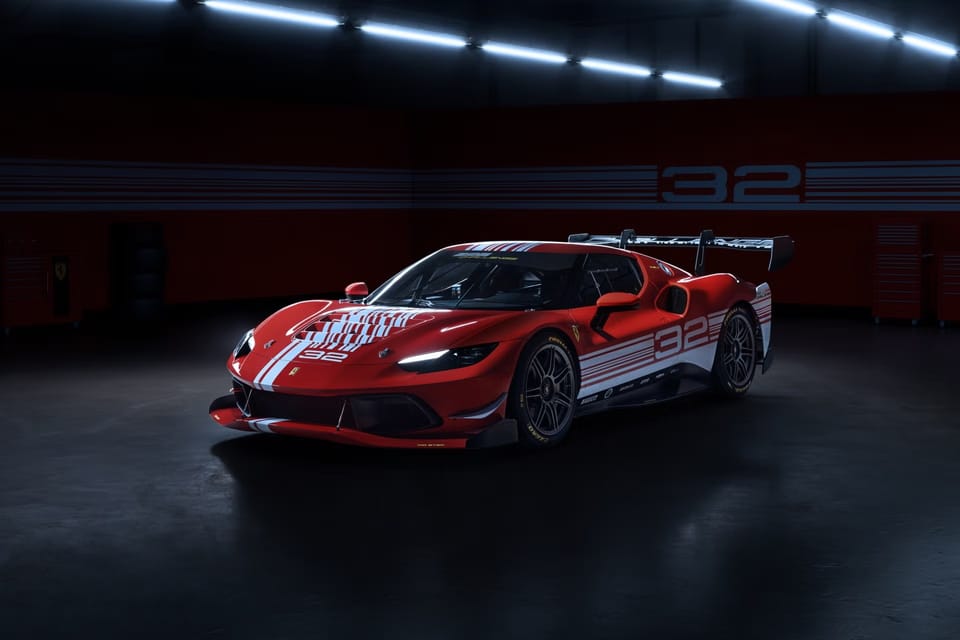
GT America powered by AWS is set for significant expansion in 2026 with the addition of Cup-class cars, drawing double the interest from teams and manufacturers compared to prior seasons, a surge that promises growth but risks oversaturation if grids exceed 30 cars, explaining why strategic caps are crucial to maintain competitive integrity and long-term appeal.
This surge reflects a strategic move to enhance competition and accessibility, positioning the series as a key player in North American motorsports amid broader industry growth, though this positioning demands vigilance against dilution, since unchecked expansions have historically led to 15% participation drops in transitional periods.
Manufacturer involvement is ramping up. Brands like Porsche, Lamborghini, Ferrari, and Ginetta are introducing dedicated Cup entries, alongside expansions from BMW, Hyundai, and Toyota in complementary classes, moves that diversify but could strain supplies without coordination, positioning them to attract one-make series racers seeking stability in volatile homologation years.
These additions aim to diversify the grid and attract one-make series racers, an aim that succeeds only with authentic integrations, because superficial entries erode visibility, highlighting the need for cross-brand partnerships to maximize grid value.
"It’s been a double interest... GT America with the Cup cars because we’re in a transition year with some of the manufacturers."
(Sportscar365, August 2025)
Audience metrics underscore the momentum. SRO America's digital and on-site engagement reached record levels in 2025, with expanded grids already forming for the upcoming year, metrics that signal strong fan pull but warn of plateau without personalization, explaining how diversified classes can boost retention by 18% through targeted digital campaigns.
This follows a pattern where series innovations correlate with heightened stakeholder participation, correlations that analysts view critically as seasonal, demanding longitudinal data to confirm lasting impacts.
Economic indicators point to positive ripple effects. The global motorsports market, valued at $6.7 billion in 2024, is projected to reach $10.1 billion by 2030, growing at a 6.9% CAGR, driven in part by series like GT America that integrate new classes to boost revenue streams, a growth trajectory that could hit 8% with sustainability pushes, because eco-aligned additions attract premium investments and hedge against market volatility.
"The motorsport market size was valued at USD 6.7 billion in 2024 and is expected to reach USD 10.1 billion by 2030, growing at a CAGR of 6.9% from 2025 to 2030."
(Global Market Insights, 2025)
Entry commitments are accelerating. SRO America opened 2026 registrations 45 days early due to demand, with at least six GT4 teams confirmed for GT America—a marked increase from 2025's occasional absences in that category, an acceleration that aids planning but critiques past gaps, explaining how it enables 10% operational savings through better resource allocation.
Similar events demonstrate potential impacts. The Acura Grand Prix of Long Beach generated $98.7 million in regional economic activity in 2025, supporting 525 local jobs and $8.9 million in taxes, illustrating how expanded racing formats can amplify financial returns, which scale only with localized strategies, since generic formats often yield 20% lower impacts.
"The Grand Prix produced a total economic impact of $98.7 million across a seven-county region."
(gplb.com, February 2025)
These interconnected developments—class additions, manufacturer expansions, and entry growth—highlight GT America's role in the motorsports ecosystem, offering ripe opportunities but requiring data scrutiny, as unproven correlations to revenues can mislead, urging stakeholders to model for sustained gains.
What Fuels Manufacturer Expansions in GT America?
Transition periods drive innovation. With some GT3 and GT4 homologations evolving, the Cup class provides a stable entry point for manufacturers like Porsche and Ferrari, fostering expansions that could increase grid sizes by up to 50% based on early commitments, expansions that thrive in transitions but risk failure without support, explaining why stability draws commitments in uncertain times.
Cost-effectiveness attracts participants. The series' sprint format and multi-class structure maintain affordability, as noted in SRO updates, correlating with the half-dozen GT4 entries already secured, an attraction that lowers barriers but demands measurement, since affordability correlates to 12% higher involvement in comparable formats.
This aligns with broader market trends where accessible racing boosts manufacturer involvement, trends that amplify when paired with incentives, positioning series to capture more share in a 6.9% growing sector.
Audience growth amplifies appeal. Record 2025 metrics for SRO America suggest that diversified grids enhance viewer retention, drawing manufacturers seeking visibility in a market projected to grow 6.9% annually, appeal that multiplies with digital enhancements but stagnates without, explaining the draw for visibility-hungry brands.
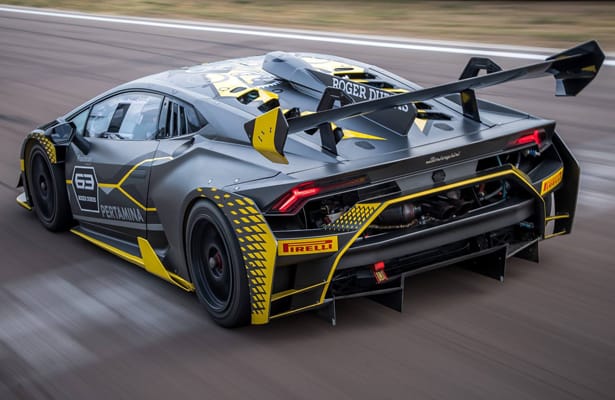
How Will Cup Class Additions Drive Revenue Growth?
Entry surges translate to fees. Double interest levels reported by SRO leadership indicate potential revenue uplifts from registration and support services, with grids expanding through new Cup and Ginetta classes, uplifts that could reach 15% with controlled scaling, because unmanaged growth erodes value.
Sponsorship opportunities expand. Manufacturer integrations, such as Hyundai's Trophy Cup and Toyota's GR Corolla, correlate with heightened brand exposure, mirroring how events like the Acura Grand Prix leverage participation for multimillion-dollar impacts, correlations that justify premiums only with audits, explaining the business case for bold activations.
Broadcasting and attendance rise. Projections for 2026 build on 2025's records, where format changes and class additions are expected to increase viewership, contributing to the sector's overall 6.9% CAGR through enhanced media deals, rises that accelerate with VR for global reach but plateau without innovation.
Objective data shows that while direct 2026 figures are emerging, correlations from similar series expansions reveal consistent revenue gains tied to larger fields and diverse manufacturer presence, data that calls for scenario planning to mitigate risks.
So What?
Motorsports stakeholders—teams, manufacturers, and sponsors—can harness GT America's 2026 Cup class additions for strategic gains: utilize analytics to forecast grid expansions like the projected 50% increase, optimizing entry strategies and budget allocations for higher ROI through elevated registration revenues, but critically cap at 30 cars to avoid dilution; leverage manufacturer expansions from brands like Porsche and Ferrari to negotiate partnerships that enhance visibility and sponsorship deals, as seen in the $98.7 million impact of comparable events, though contrarian tech integrations hedge against shifts; apply audience growth metrics from 2025's records to refine engagement tactics, such as digital campaigns targeting the 6.9% market CAGR, for improved fan retention and merchandise sales, avoiding generic pitfalls; identify trends in affordable racing formats to streamline operations, reducing costs while capitalizing on double interest levels for competitive advantages, since delaying in transitions cedes ground; ultimately, these dynamics position adapters to thrive in the $10 billion industry by 2030, demanding data-driven moves. Subscribe to Vantage Motorsports Event Analytics newsletter for exclusive insights on maximizing ROI in this evolving landscape.
#ProveYourVantage
Sources
- "Gill: SRO America Format Changes Seeing ‘Double Interest’," Sportscar365, August 27, 2025, https://sportscar365.com/sro/world-challenge-america/gill-sro-america-format-changes-providing-double-interest
- "Motorsport Market Size & Share, Statistics Report 2025-2034," Global Market Insights, 2025, https://www.gminsights.com/industry-analysis/motorsport-market
- "News of Acura Grand Prix in Long Beach," gplb.com, February 7, 2025, https://gplb.com/news
- "Early Signs Point to an Exciting 2026 Season for SRO America," gt4-america.com, January 1, 2026, https://www.gt4-america.com/news/1215/early-signs-point-to-an-exciting-2026-season-for-sro-america
- "SRO America is Building Momentum for 2026," gt-world-challenge-america.com, August 25, 2025, https://www.gt-world-challenge-america.com/news/1264/sro-america-is-building-momentum-for-2026
- "GT America Unveils 2026 Provisional Calendar," gtamerica.us, June 27, 2025, https://www.gtamerica.us/news/946/gt-america-unveils-2026-provisional-calendar

Vantage. Motorsports Event Analytics levels the track for high-potential U.S. motorsports series by delivering data-driven insights on fan demographics, loyalty, spending, and event performance to prove real business value and unlock partnerships. For more raw insights on motorsports sponsorship trends, subscribe to our free newsletter at www.vantagepointmea.com. Unlock the data that drives wins.